The process of reclaiming one’s body is an important act not only for an individual, but also for shaping collective consciousness as a space of shared responsibility and social change. Cultivating resilience and awakening body wisdom can serve as a form of resistance against the world that persistently seeks to fragment us and impose violence on every level. By forging a strong alliance with our bodies, we build deeper human relationships grounded in an understanding of our differences and in a shared opposition to violence.
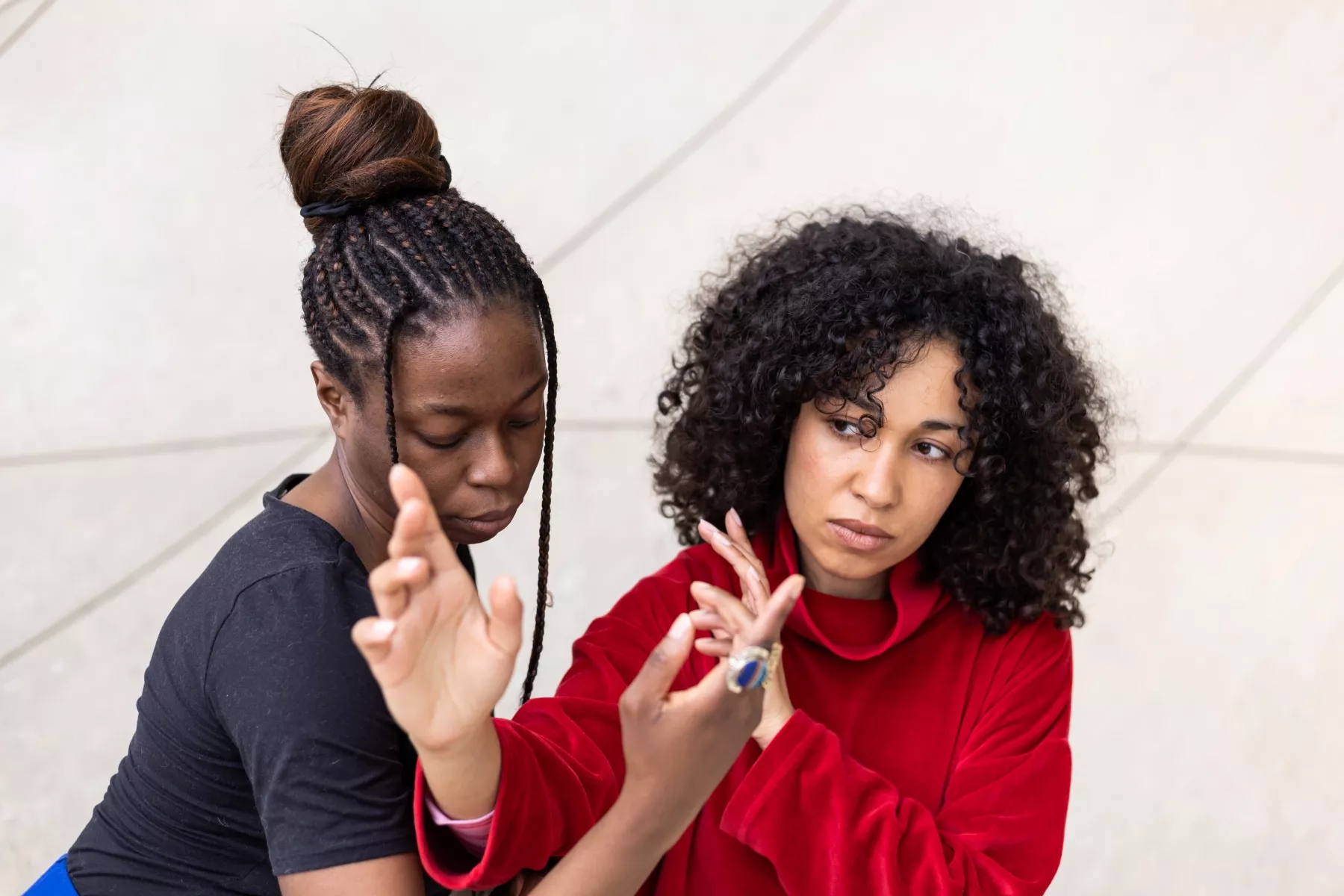
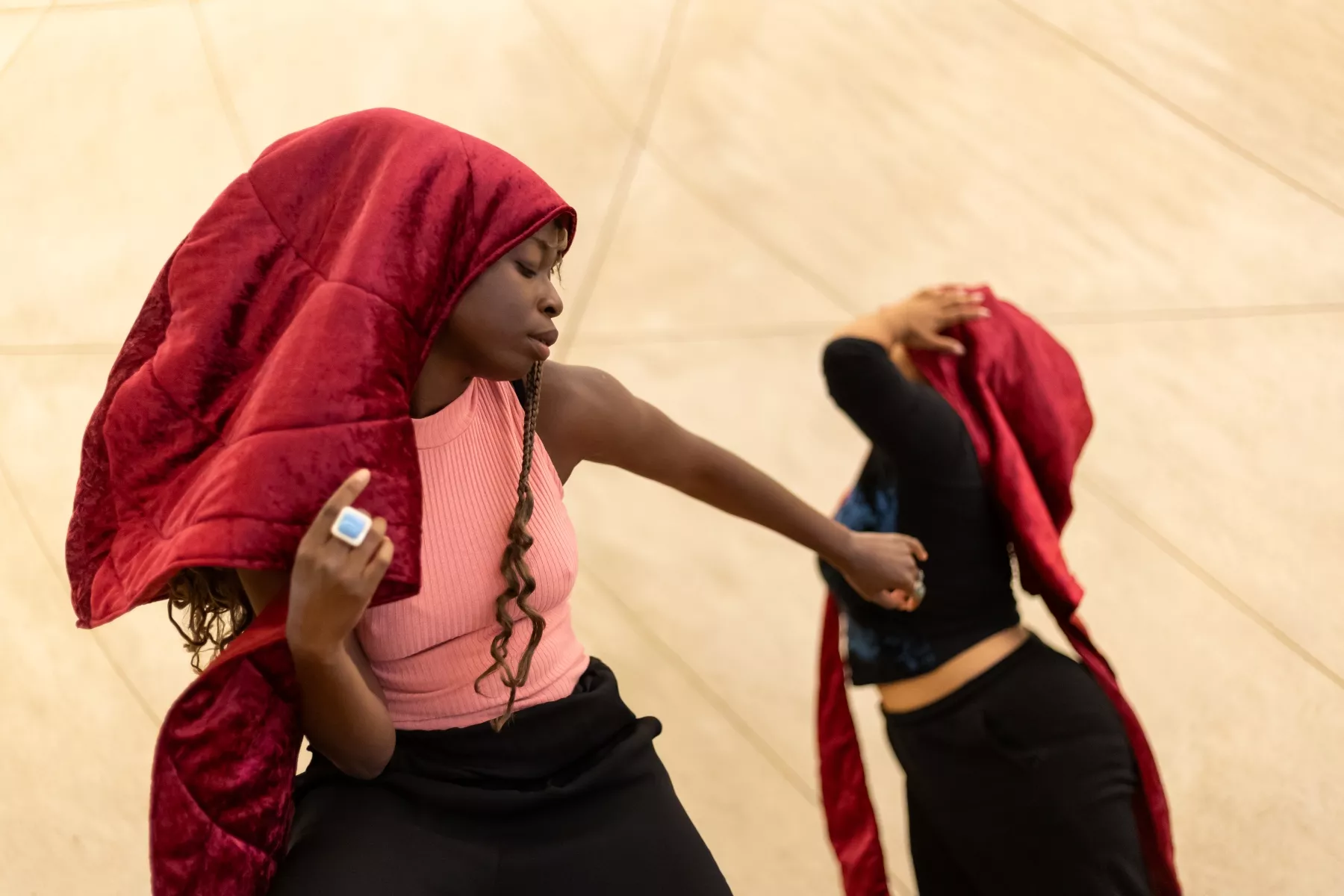
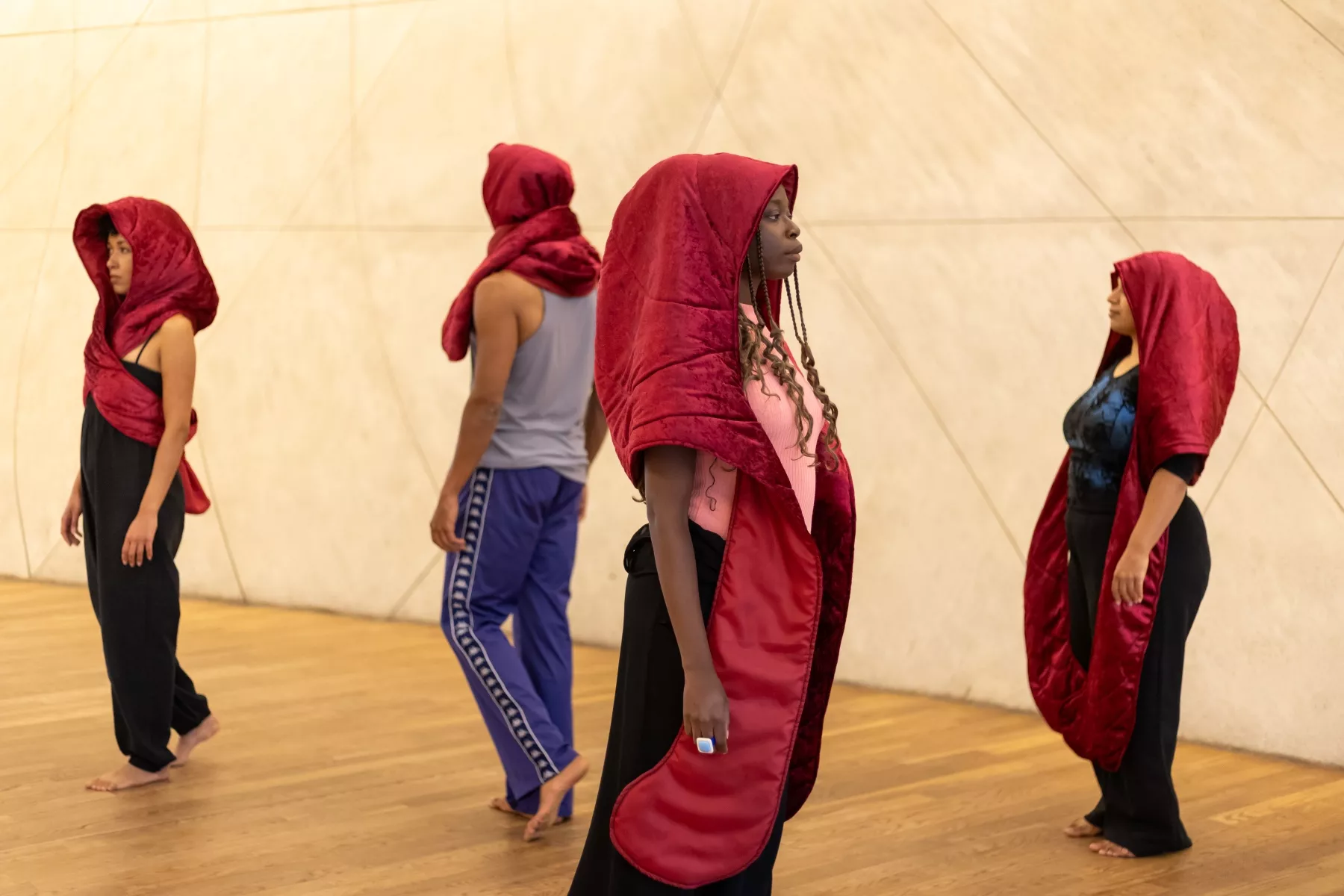
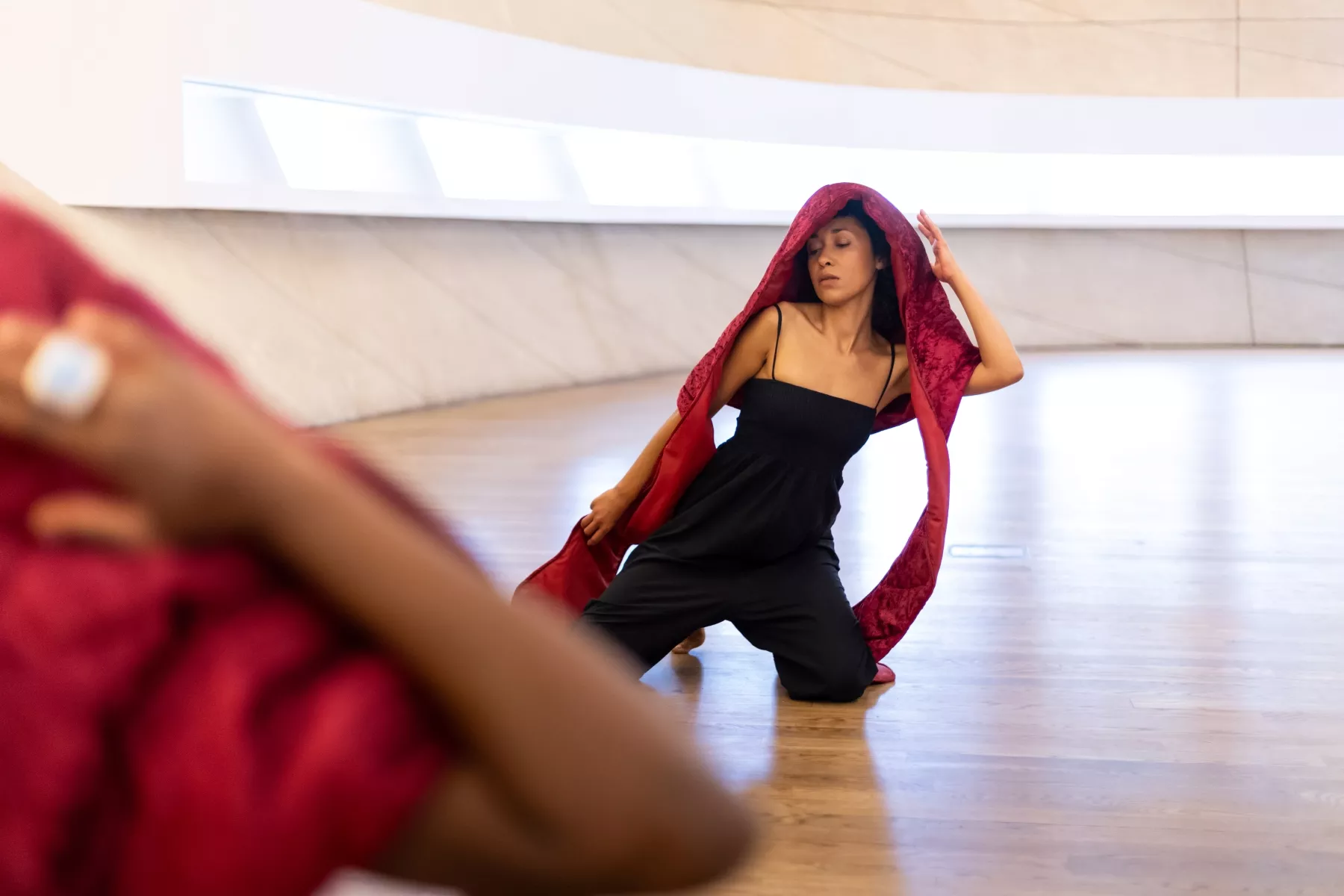
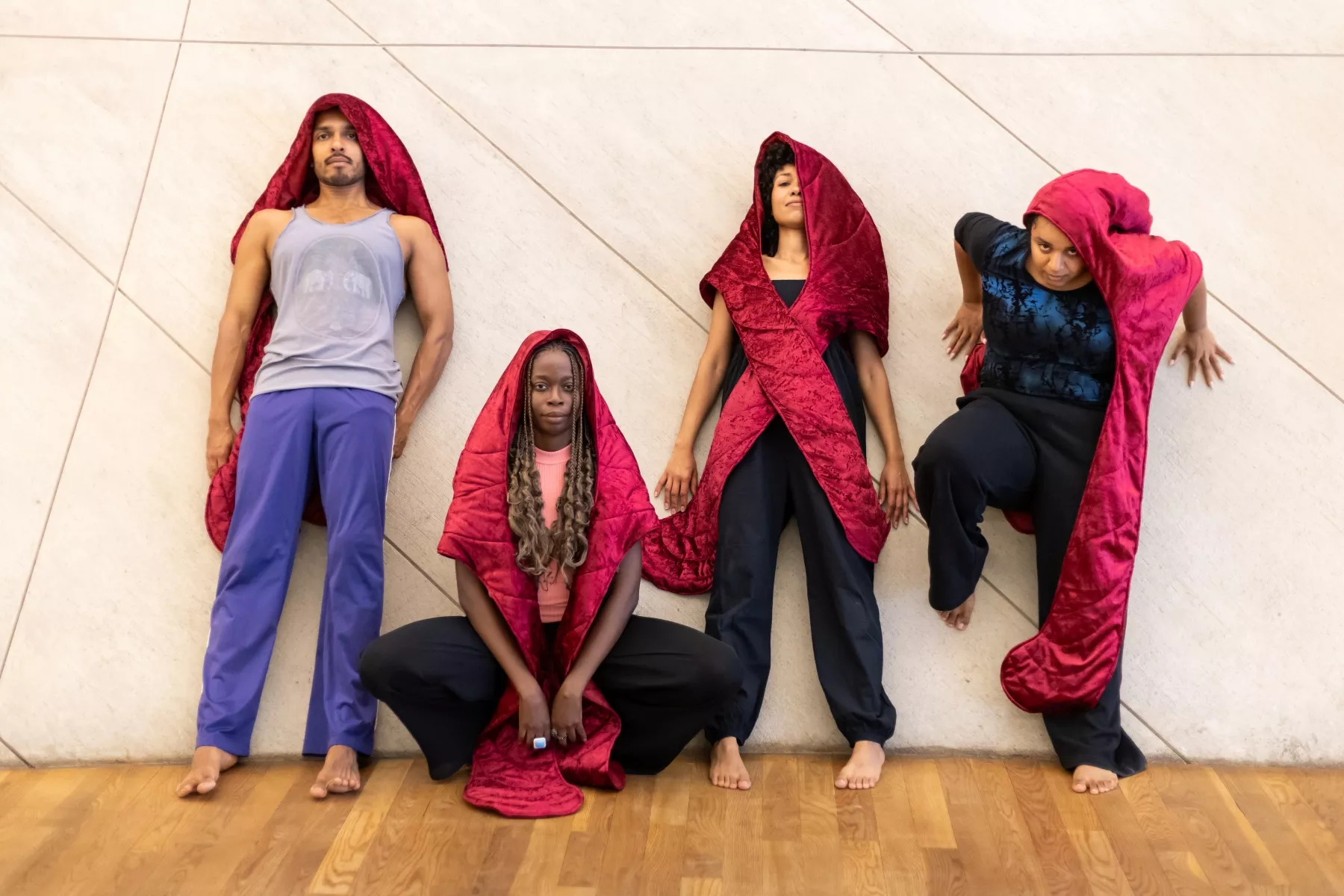
The process of reclaiming one’s body is an important act not only for an individual, but also for shaping collective consciousness as a space of shared responsibility and social change. Cultivating resilience and awakening body wisdom can serve as a form of resistance against the world that persistently seeks to fragment us and impose violence on every level. By forging a strong alliance with our bodies, we build deeper human relationships grounded in an understanding of our differences and in a shared opposition to violence.
Awakening comes through a tender encounter with another person—an encounter free from the need to explain oneself or to censor one’s story for the sake of comfort of others. It offers a possibility to explore from a place where the "here and now" meets the past, with curiosity and respect for mutual boundaries. Entering into a bodily, non-verbal dialogue and being mirrored by another body turns into a safe and self-empowering experience. A bodily expression is able to resonate freely, unbound by judgment or social norms—resonating like true freedom.
Representation plays a key role here. It is community and visibility that allow an individual experience to become part of a larger narrative. Like an embracing reflection on the surface of water, in which I can hold my past, my present, and my future.
The performance is part of anti-war, anti-violence performative actions organized for the finissage of the "1945. Not the End, Not the Beginning" exhibition.
Team:
- Concept: Aleksandra Lemba
- Performers: Benjamin Diamouténé, Aleksandra Lemba, Nika Kimaty, Kitty Sarcasm
- Music: Kitty Sarcasm
- Costumes: Katarzyna Głogowska "Maszynownia"
- Curator: Ewa Chomicka
- Production: Alicja Kaczmarek-Poławska
Aleksandra Lemba – Dance Movement Psychotherapy (DMP) specialist, psychologist, psycho-social skills workshop trainer, and professional dancer. She also works as an intimacy coordinator. Aleksandra explores themes related to the relationship between the self, the body and emotions, expanding body awareness, and building a safe relationship with one’s body—with conscious perception of one’s body, expression through movement, and following the non-verbal signals flowing from the body. She combines psychological knowledge with dance and movement practices, using movement as a tool for psychoeducation and for supporting somatic development. She runs dance, movement-development, psychological, and psycho-educational workshops for diverse groups all over Poland. She collaborates with artists and directors in various fields, such as film, art, and dance.
Benjamin Diamouténé – actor, dancer, occasional journalist and activist. He is the host of "Pomiędzy" [In-Between] radio program.
Nika Kimaty – actress, performer, graduate of the Theater Academy in Kraków and the Experimental Choreography Course. She is interested in interdisciplinary artistic practices. Currently, she is exploring the questions of identity.
Kitty Sarcasm – DJ and producer who is currently making her mark with original productions. Her work balances between alternative R&B and electronic music, drawing on trap, global bass, and club sounds.
The performance is part of Aleksandra Lemba’s artistic residence at POLIN Museum, within the framework of the Thinking Through the Museum program.
More information on the "1945. Not the End, Not the Beginning" exhibition
Awakening
3.45PM
14.09.2025 - 14.09.2025
Venue: main hall at POLIN Museum
Free admission

