Copyrights
fot. Dariusz Parol
Copyrights
fot. Dariusz Parol
Copyrights
fot. Dariusz Parol
Copyrights
fot. Sapir Houri
Copyrights
fot. Sapir Houri
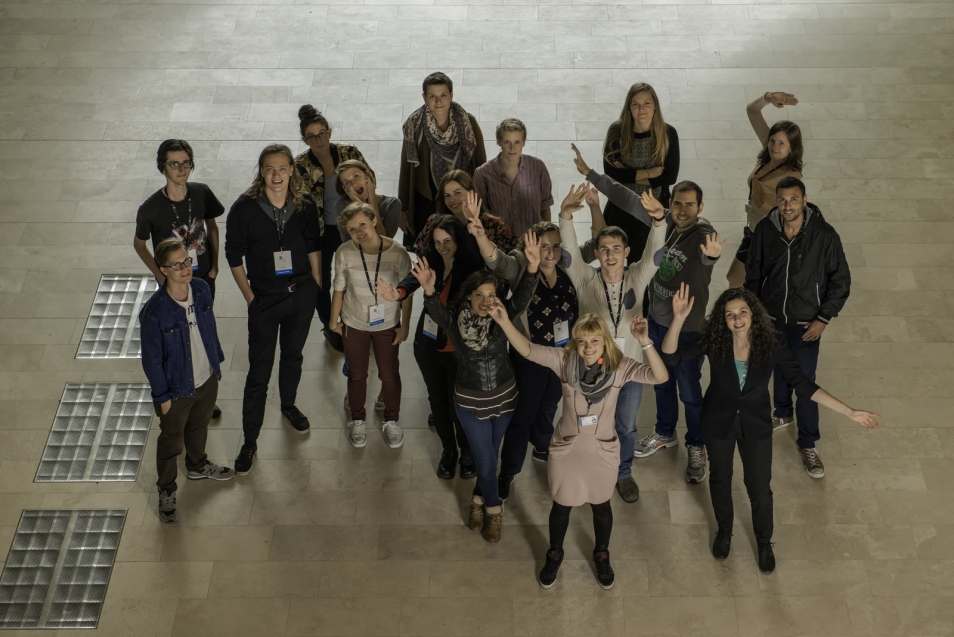
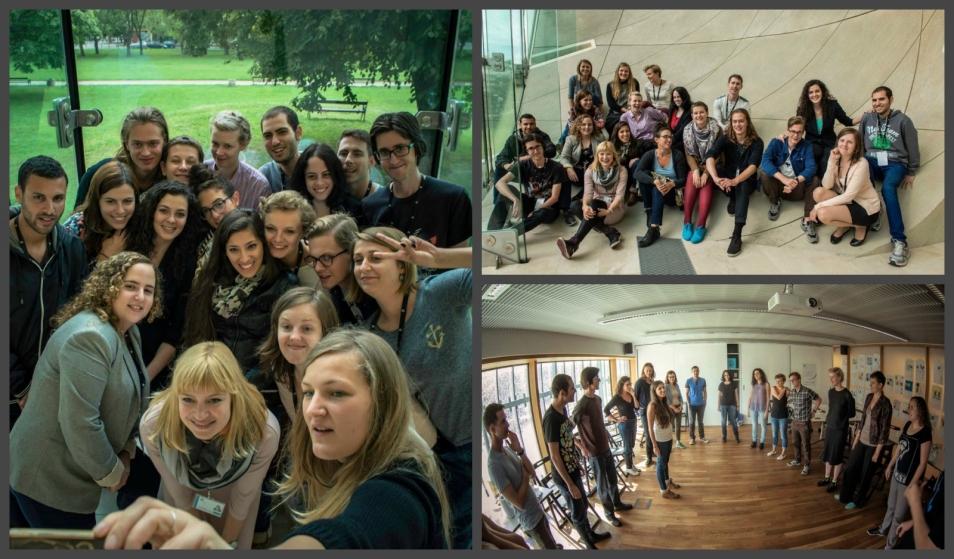
The Polish Intercultural Youth Encounters (PIYE) program, organized by the Museum of the History of Polish Jews, has been taking place since 2006. First, the Israeli students come to Poland and live here, with the polish participants, for two weeks. During these two weeks the students take part in workshops and activities in the Museum.
In October, the Polish students travel to Israel, where they study at Tel Aviv University for one semester. “I came to Poland with no expectations - open for new experiences.” – said Bar Levy, an Israeli PIYE participant – “I wanted to see Poland from a different perspective than the Holocaust. I hoped that I will meet people from Poland and they will show me Warsaw from a completely new point of view. We became friends immediately! We’ve become really close and now I feel that I’ve found friends for life. Now I have a better understanding of my semi-homeland, my history and even myself.”
The PIYE Program is a unique opportunity for Polish-Israeli dialogue, discovering each other’s cultures, and breaking down myths surrounding both nations. In addition, participants in this year's edition took part in a panel discussion entitled "Poland through the eyes of young Israelis" in which they talked about how Israeli people see Poland. Also, the students organized a workshop called "Everything You Wanted to Know About Israel" which talks about life in modern Israel and how Poles and Israelis see each other from their own perspectives. It was very interesting, because even after more than one week spent together, the Poles and Israelis have had surprising thoughts. For example, a Polish participant of PIYE program, Michalina Musielak said: “I was surprised that Israeli participants are not very religious (for example: they go to the parties, instead of celebrating Shabbat). It’s interesting to learn about differences. I’ve been in Israel, but it’s something completely different to live, work and eat with Israelis than to be in Israel as a tourist. I suppose that it’s also interesting for Israeli participants of the PIYE program to learn about what Poland is nowadays, and not see it as some abstract land in the east called “Holocaust”. It’s nice to be a guide to the living city for them.”. Re’em Smolash, Israeli participant, added: “I expected that there will be more Catholics in our group and more drinking and partying, but I really like it, how it is.”
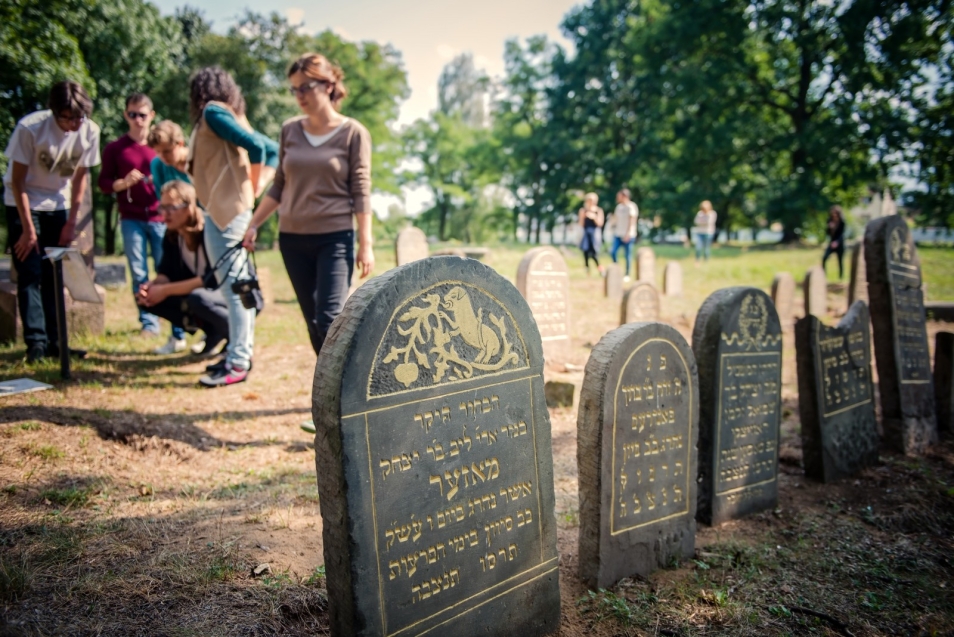
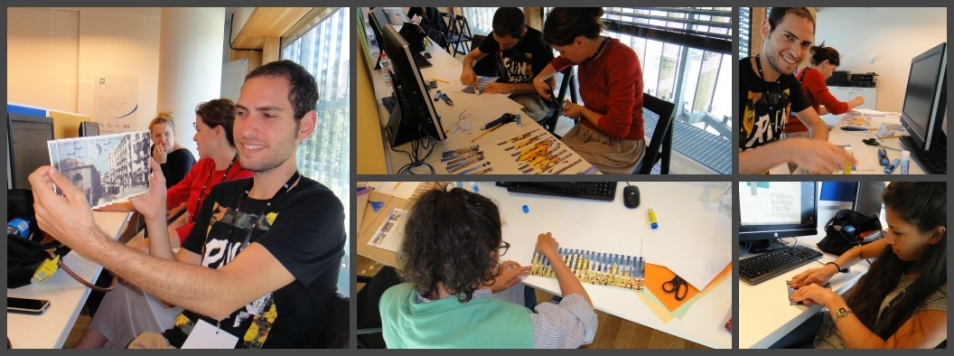
In the first week of the program in Poland the students took part in a multimedia workshop that was guided by Katarzyna Baraniewicz. They were divided into small groups. Each group had a different topic that needed to be presented through multimedia. In the second week the students had internships in different departments of the museum and helped organize Museum events, supporting its promotional and educational efforts. “The internship in the Museum is great! I feel that my work here makes sense and is useful. And I also can learn something about our Polish-Israeli history.”, “The workshops helped me to see real Poland, meet elderly Polish people who remember war times and talk with them. (…) The museum is spectacular – the resources, architecture, exhibitions… It’s impressive!” – these are only two of many opinions about PIYE, but it seems that all the other students have similar thoughts.
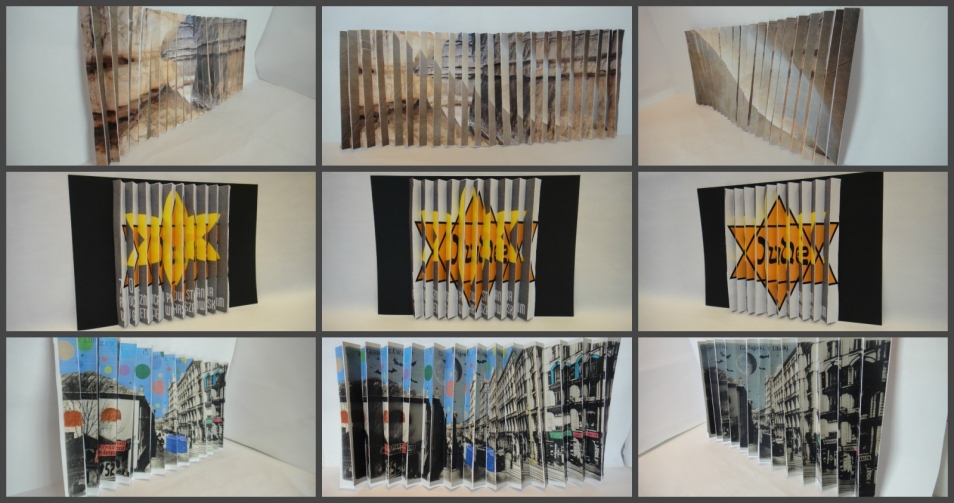
“Perspective” is one of the projects that were made in the multimedia workshop. The project is a set of pictures, arranged in accordion shapes, presenting different aspects of Jewish life in Warsaw. The two pictures merge into one so the viewer can choose to see the picture from multiple different perspectives. Their goal was to emphasize that everyone can have a different perspectives on similar topics. However, it does not mean that the viewer has to choose only one point of view, it means that he can perceive the same thing in different ways and use different perspectives.
Another project that was made in the multimedia workshop is “The View”. The students visited seven of the Museum of the History of the Polish Jews’ closest neighbors to the have a conversation about the view from their windows. They took pictures of the view from the homes and asked the neighbors what they think about the Museum. They started with a simple question – "how would you describe your view?". Behind this simplicity they wanted to find out how is the Museum is perceived by the people who live in the neighborhood. They discovered emotional stories with many different characters with the Museum as a common background.
Students also looked on very important topic, that is treated in a very different way in Poland and in Israel. Security is a theme of short movie “Security reasons”.
Students look also on museum – inside and outside in two projects – “Changing spaces” and “10 spins”.
It seems that all the students had joined the PIYE program for a different reason. Most of them were really surprised by what they saw and learned – it was much more than what they had expected. The Israelis saw Poland from a new point of view, which differs from the Holocaust-centered narratives they had encountered so far. The Polish team cannot wait to arrive in the country they have been learning so much about from their new friends.
By Sapir Houri & Sylweriusz Królak, participants of the PYIE 2014