We welcome you to join the 2026 Warsaw Ghetto Uprising Campaign. This campaign is hosted yearly by POLIN Museum in Warsaw, Poland. This year we commemorate the 83rd anniversary of the Uprising, and will have many activities for people around the world to participate in.




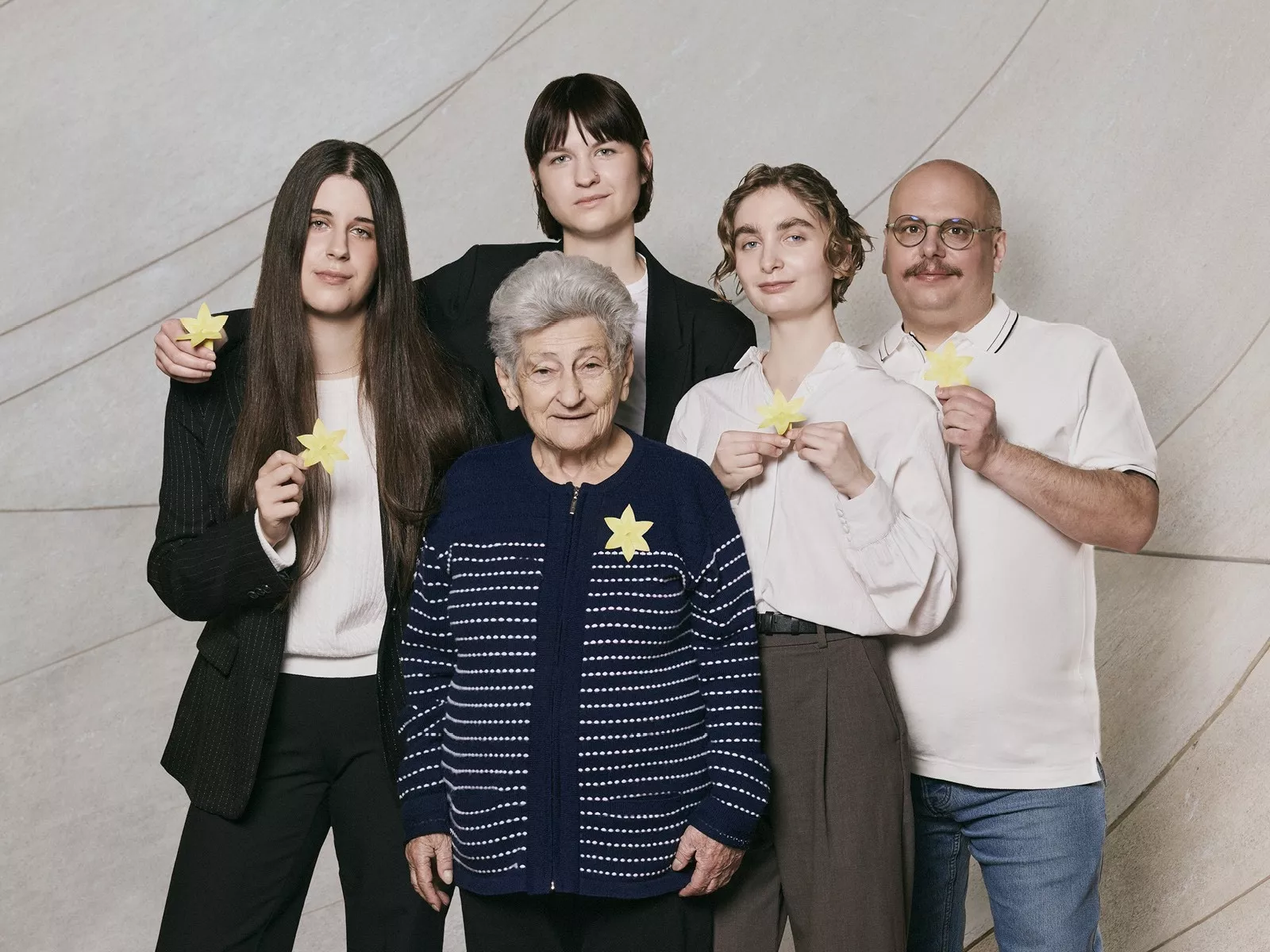
Photos:
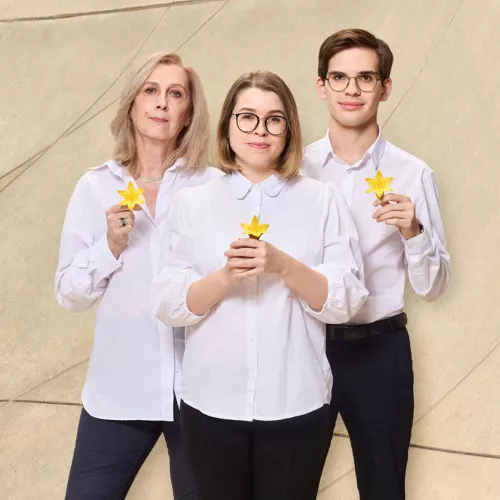
- Kamila Urzędowska. Photo: Aldona Karczmarczyk, Van Dorsen Artists / Museum of the History of Polish Jews
- Dominik Więcek. Photo: Aldona Karczmarczyk, Van Dorsen Artists / Museum of the History of Polish Jews
- Julia Kamińska. Photo: Aldona Karczmarczyk, Van Dorsen Artists / Museum of the History of Polish Jews
- Mariusz Szczygieł. Photo: Aldona Karczmarczyk, Van Dorsen Artists / Museum of the History of Polish Jews
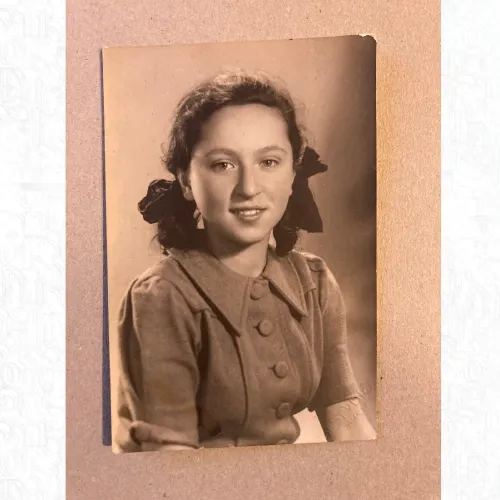
- Krystyna Budnicka. Photo: Aldona Karczmarczyk, Van Dorsen Artists / Museum of the History of Polish Jews
We encourage communities around the world to learn about the events that took place on April 19th, 1943, and to share online what the Warsaw Ghetto Uprising means to you. You will find various materials and resources to help spread the campaign, as well as educational items that can be used for schools.
The Power of Testimony
On the 83rd anniversary of the outbreak of the Warsaw Ghetto Uprising, the Warsaw Ghetto Uprising Campaign’s accompanying program is dedicated to the power of testimony—individual stories, eyewitness accounts, documents, archival records, objects, as well as vestiges of the lives and deaths of those who experienced the Holocaust atrocities.
Krystyna Budnicka is the only member of the Kuczer family to survive the hell of the Warsaw Ghetto Uprising. Her parents, six brothers and older sister all perished while trying to escape from a burning bunker at the corner of what were then Zamenhofa and Miła Streets. She was 11 years old when, on 19 April 1943, an armed revolt of Jews against the Germans began in the Warsaw ghetto. She believes she survived in order to bear witness and give testimony of what had happened.
Those who remember those times are passing away. Only memory remains. It must be nurtured, developed, and passed on to younger generations. For if the memory is lost, who will remind us of the heroes of those days, of those who died for freedom? Today, it is our obligation to pass on their testimonies.
Why the daffodil?
Marek Edelman, the last surviving leader of the Warsaw Ghetto Uprising, used to receive a bouquet of yellow daffodils from an anonymous person every year on April 19. He would lay them at the Monument to the Ghetto Heroes in memory of those who fought and died. The paper daffodils, which people wear on this day, are inspired by this custom. Edelman, who remained in Poland after the war, passed away in 2009.
How can you get involved in the commemoration of the Warsaw Ghetto Uprising?
Even if you cannot be here in Warsaw, by joining our online campaign, you will be joining a countless number of people around the world, who will be remembering the events of the Uprising. Participation is very simple, and there are several ways to commemorate. The simplest way is to make our official daffodil, a take a selfie for your social media profiles and use our hashtags: #RememberingTogether, #WarsawGhettoUprisingCampaign.
Make a daffodil; all you need is paper, glue, and scissors.
- Download daffodil pattern
- Download daffodil instructions
- Video how to put your daffodil together
- Watch "There Was No Hope", a film about the Warsaw Ghetto Uprising produced by POLIN Museum. Please adjust the closed captions in YouTube for English subtitles.
- Explore the Holocaust gallery of POLIN Museum’s Core Exhibition.
Attention educators!
The Warsaw Ghetto Uprising campaign is a meaningful and engaging activity that can be a part of your online curriculum. We invite you and your students to join schools around the world in commemorating the Warsaw Ghetto Uprising. For curriculum materials, please visit Educational Resources.
Contact
To contact POLIN Museum to participate in the campaign or for any questions, email us at [email protected]