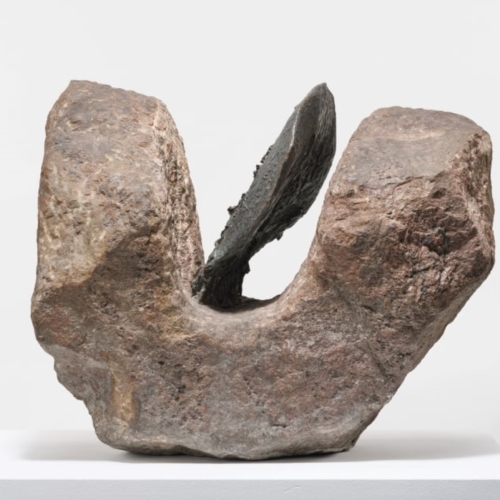
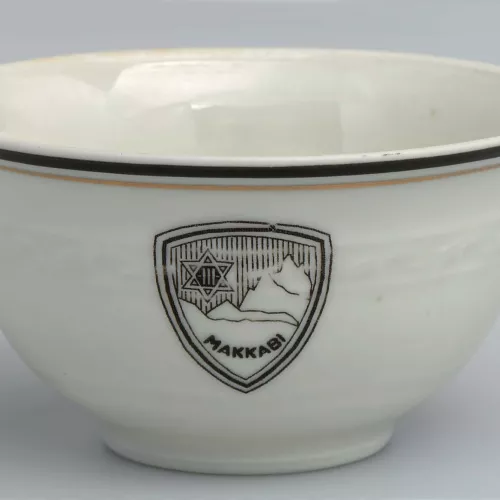
In her work, Alina Szapocznikow—one of the most outstanding 20th-century female sculptors — combined the experience of the Holocaust, fragility of the body and courage to experiment. At POLIN Museum, we present two of her sculptures from 1962 — "Vowel and Consonant."
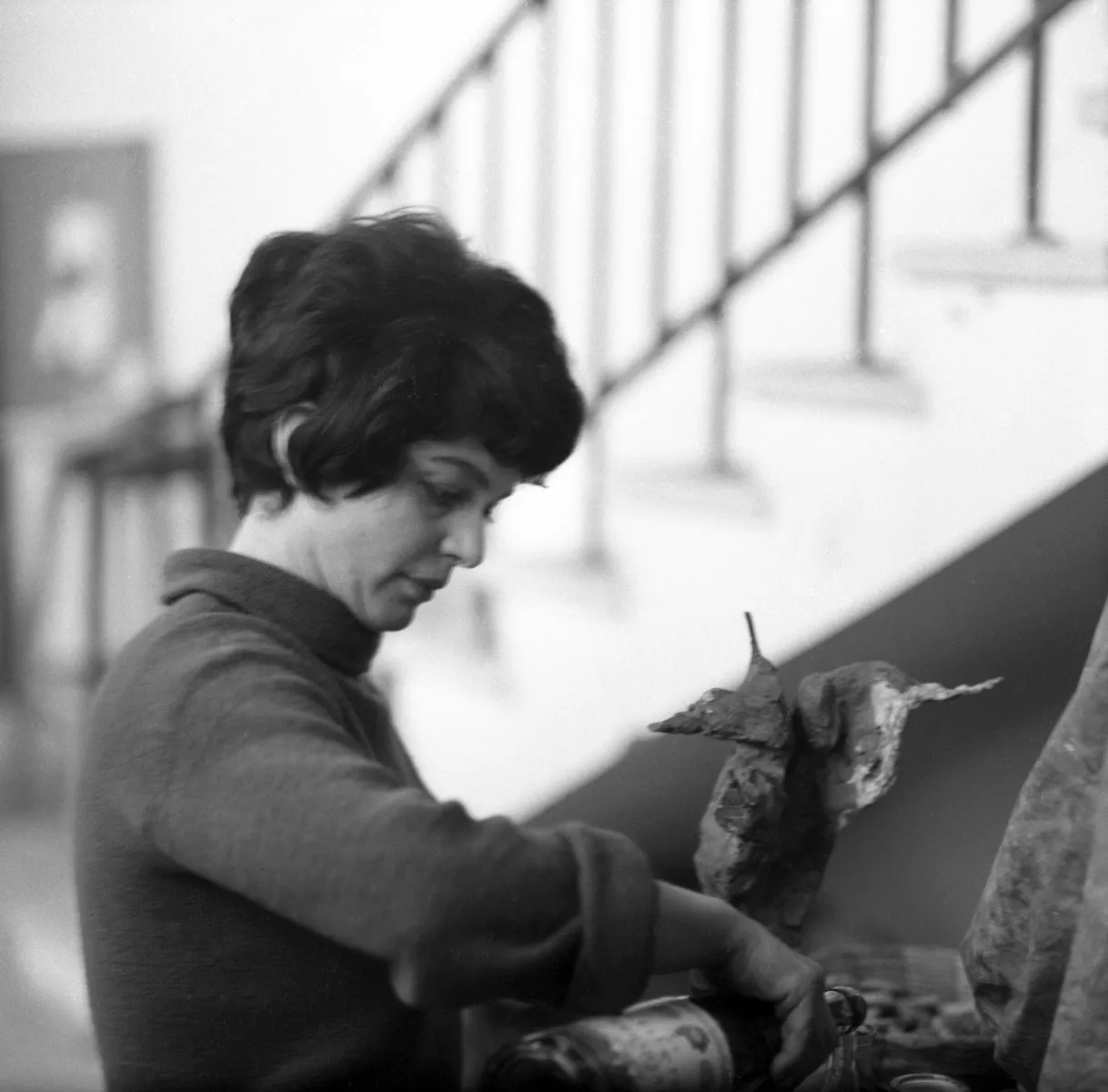
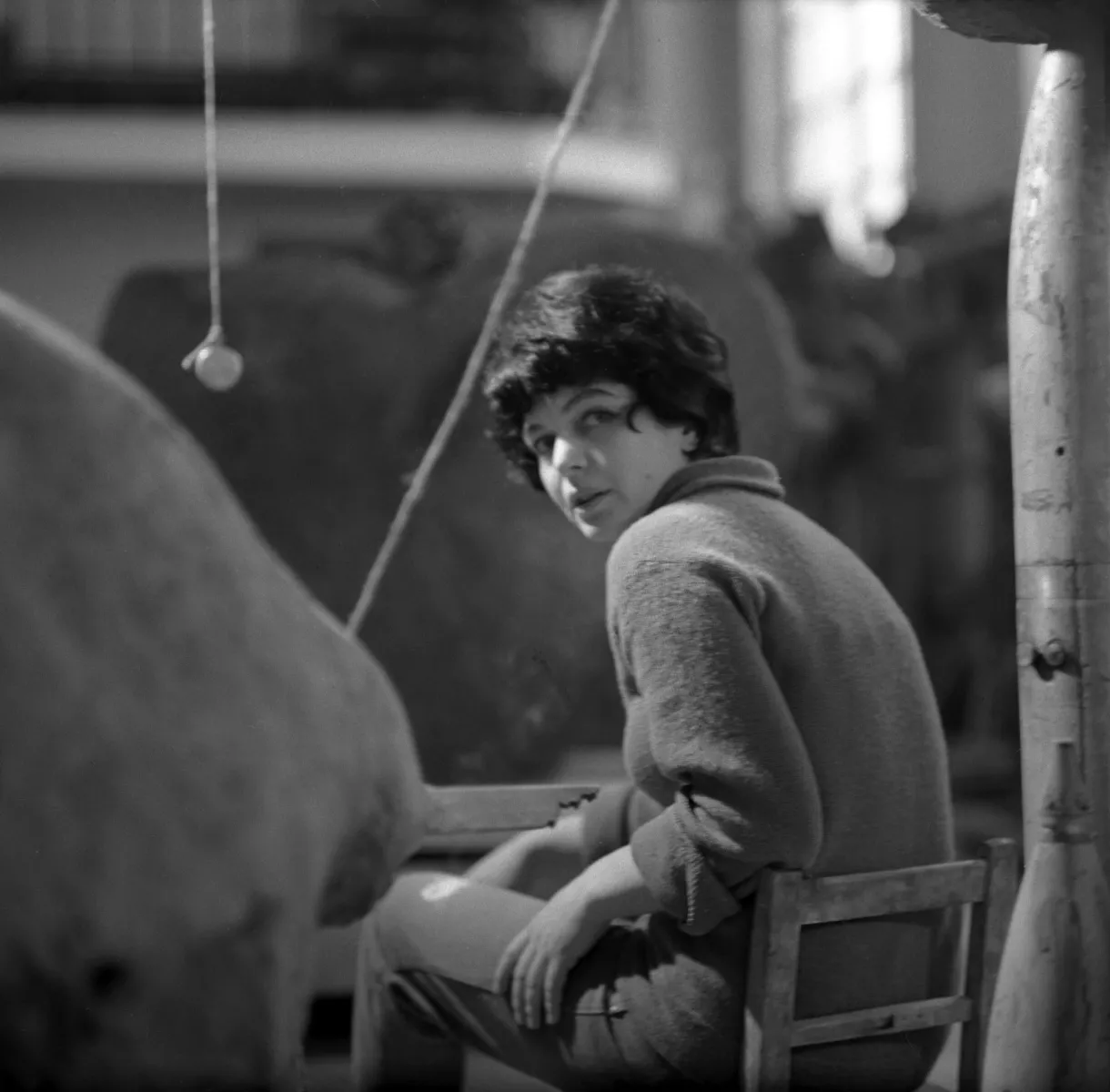
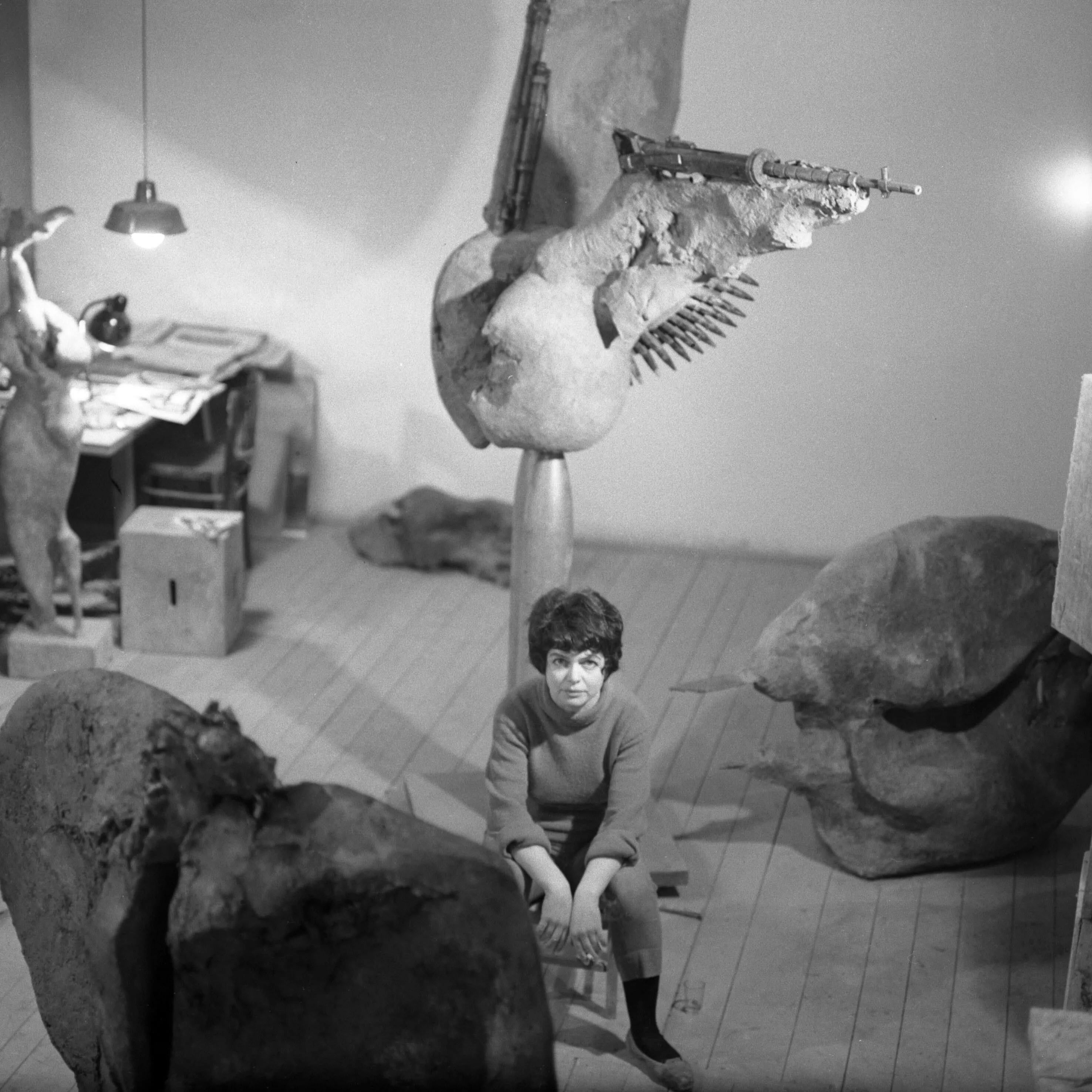
Alina Szapocznikow (1926–1973) is one of the most original sculptors of the 20th century. A Holocaust survivor, she studied in Prague and Paris after the War. From the early 1950s, she developed her artistic career in Poland and in France. Her art draws from personal experiences as well as from audacity to experiment. She consistently expanded the sculptural medium by introducing new materials and new working methods.
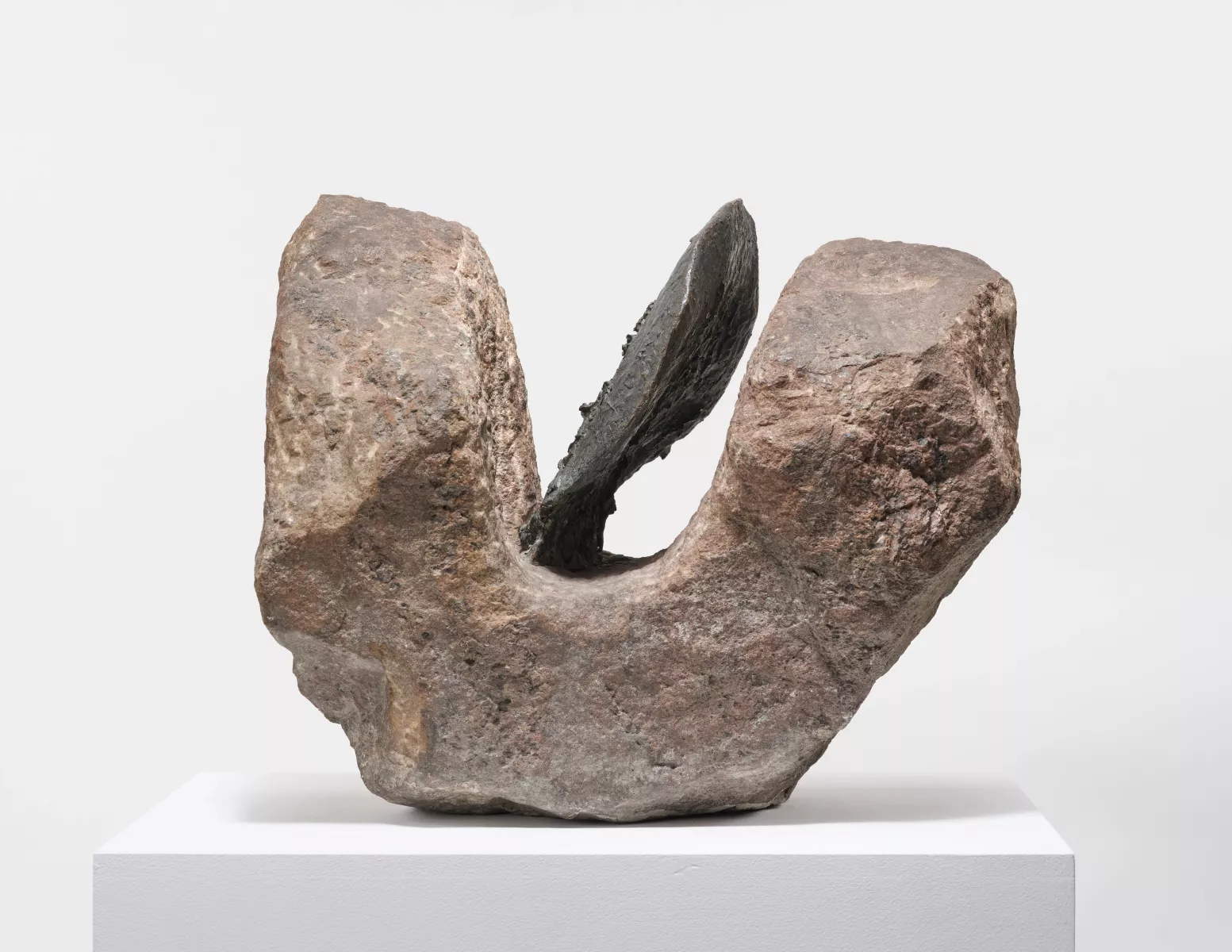
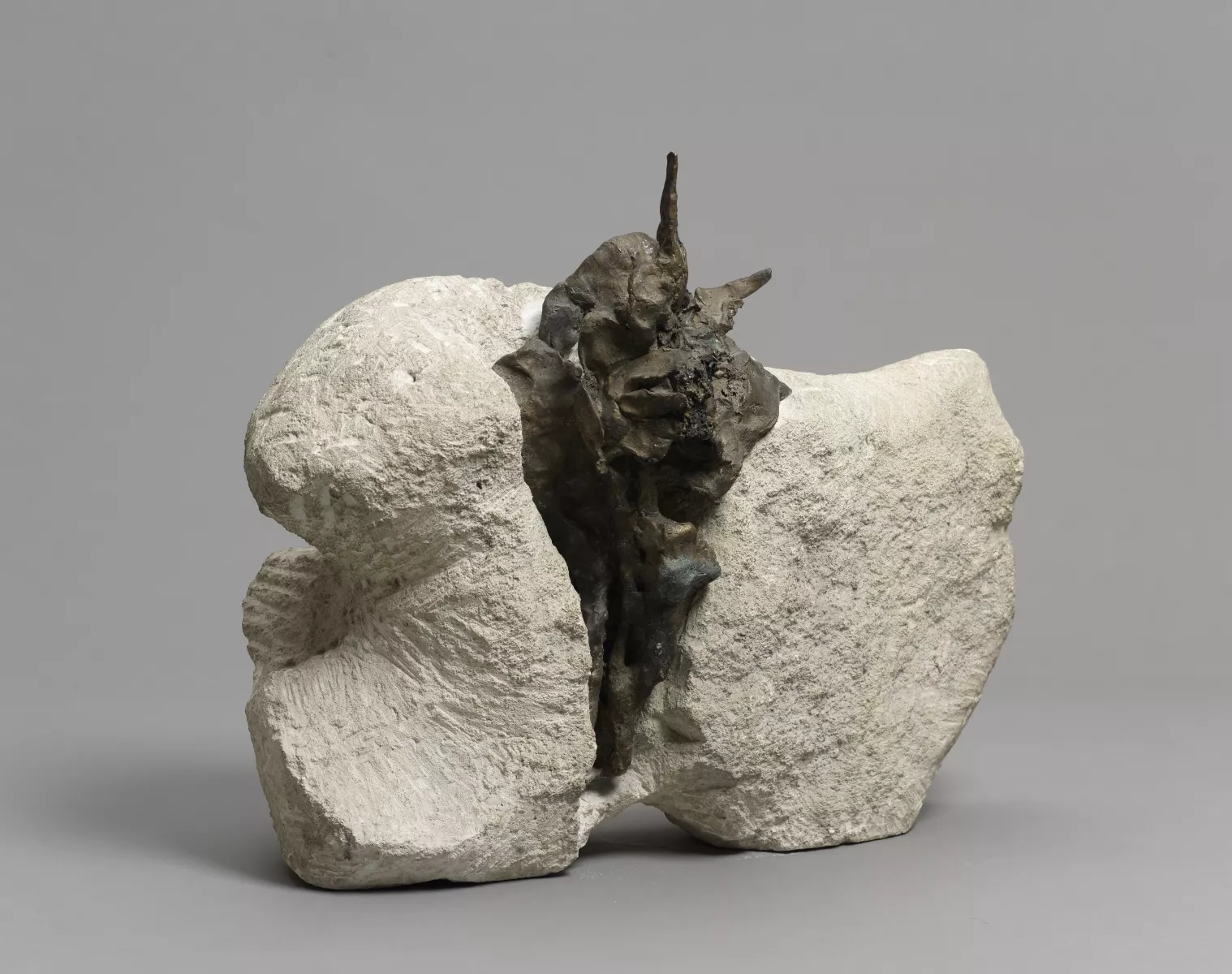
In "Vowel," a sandstone block was shaped to resemble the philological definition of a vowel—in the form of the letter V—with the crevice filled by the artist with a bronze cast. "Consonant," sculpted in the same year, completes this dialogue between stone and metal, nature and culture. Both works reveal how Szapocznikow observed the mutability of matter, making use of the stone’s cracks and edges, and how, through this exploration, she forged her own sculptural language.
The exposition at POLIN Museum’s Legacy Gallery is accompanied by a selection of films about the artist. It offers a space to reflect on art, body and memory—on life in the aftermath of the Holocaust and on form which is capable of carrying this experience.
Acquisition of the Vowel sculpture was made possible thanks to the funding from the Ministry of Culture and National Heritage.
Photos:
1-3: Alina Szapocznikow in her studio in the 1960s, photo: M. Karewicz / East News
4: "Vowel" sculpture, photo: I. Książek / Museum of the History of Polish Jews
5: "Consonant" sculpture
Exhibition of "The Voice(s)" Sculptures by Alina Szapocznikow
18.09.2025 - 09.03.2026
Galeria "Dziedzictwo"
Muzeum POLIN, ul. Anielewicza 6, Warszawa