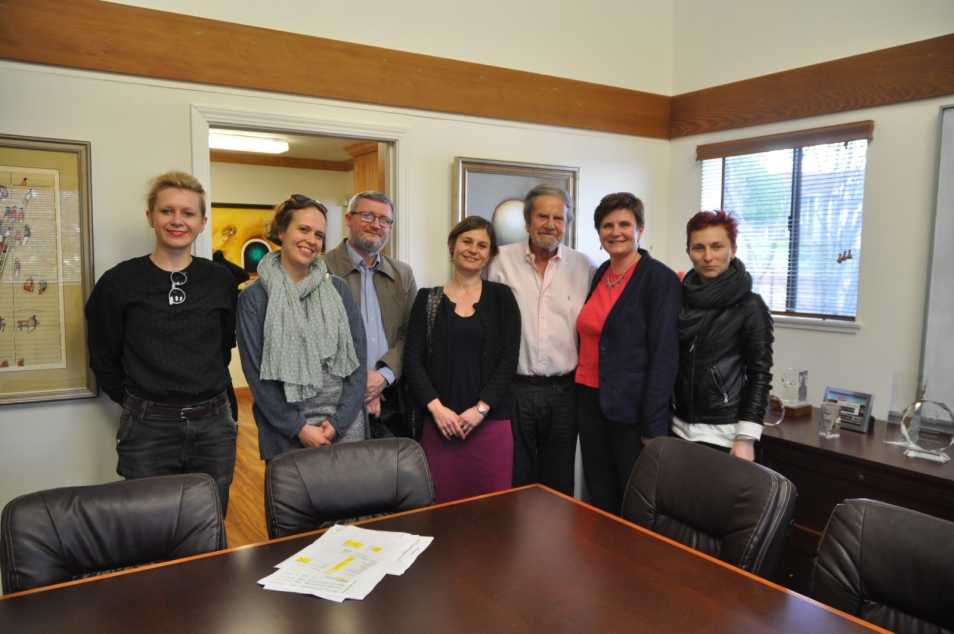
On February 1-14, 2015, six representatives from the POLIN Museum’s Education Center (Łucja Koch, Piotr Kowalik, Monika Koszyńska, Ewa Chomicka, Kamila Dąbrowska and Monika Sadkowska) took part in a special study visit to California.
Copyrights
fot. Muzeum Historii Żydów Polskich

Copyrights
fot. Muzeum Historii Żydów Polskich

Copyrights
fot. Muzeum Historii Żydów Polskich

Copyrights
fot. Muzeum Historii Żydów Polskich

Copyrights
fot. Muzeum Historii Żydów Polskich

Copyrights
fot. Muzeum Historii Żydów Polskich
Copyrights
fot. Muzeum Historii Żydów Polskich
Copyrights
fot. Muzeum Historii Żydów Polskich
Copyrights
fot. Muzeum Historii Żydów Polskich
Copyrights
fot. Muzeum Historii Żydów Polskich

Copyrights
fot. Muzeum Historii Żydów Polskich
Copyrights
fot. Muzeum Historii Żydów Polskich
Copyrights
fot. Muzeum Historii Żydów Polskich

Copyrights
fot. Muzeum Historii Żydów Polskich
Copyrights
fot. Muzeum Historii Żydów Polskich

Copyrights
fot. Muzeum Historii Żydów Polskich
Copyrights
fot. Muzeum Historii Żydów Polskich
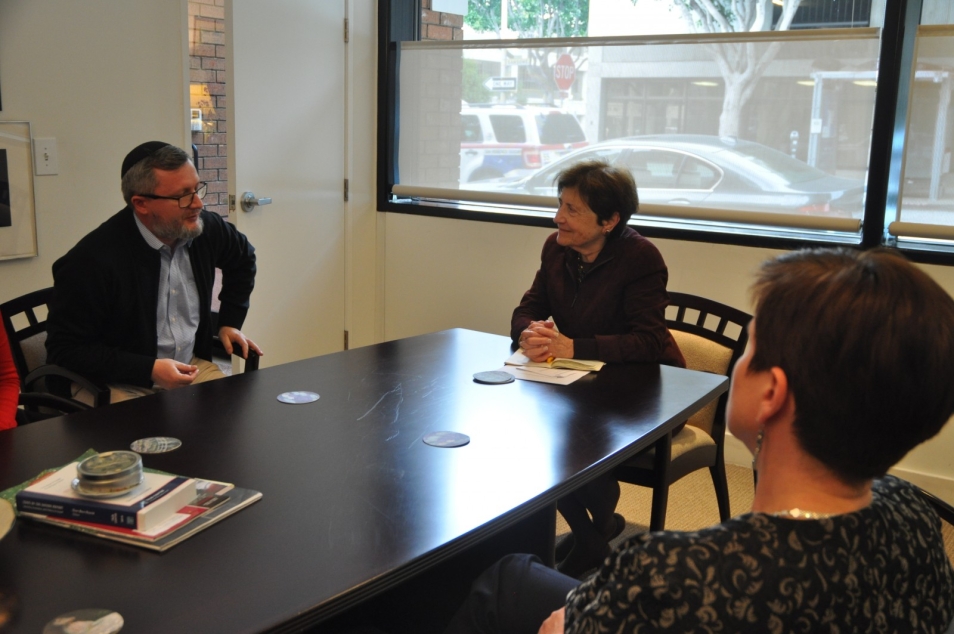
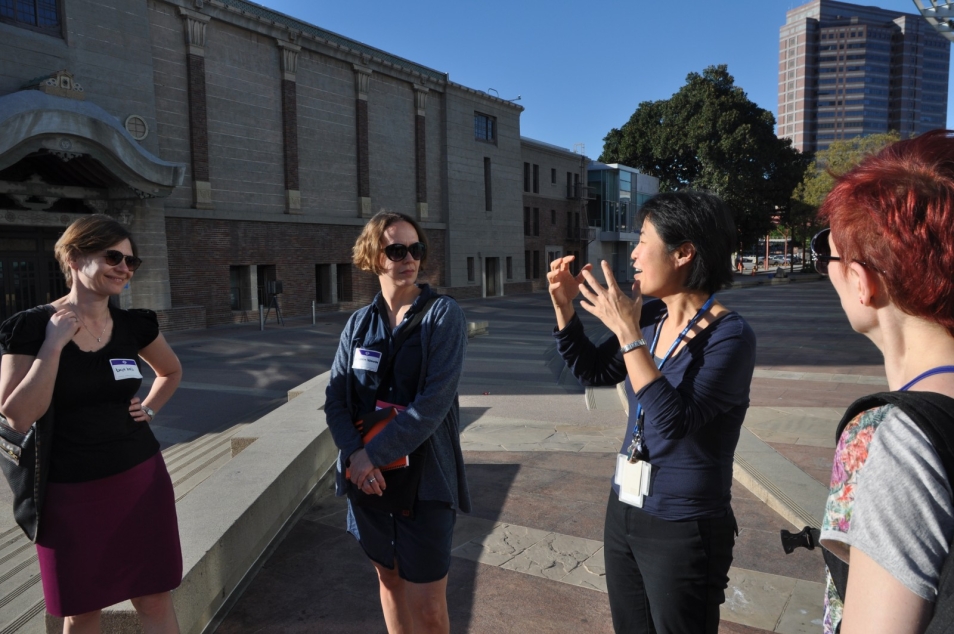
The aim of the visit was to forge partnerships and exchange educational methodologies between the POLIN Museum and museums, educational NGOs, and evaluators from the United States. The POLIN Museum educators gave presentations about the Museum's educational activities and took questions from engaged educators and community members in Berkeley, San Francisco, Stanford University, and Los Angeles.
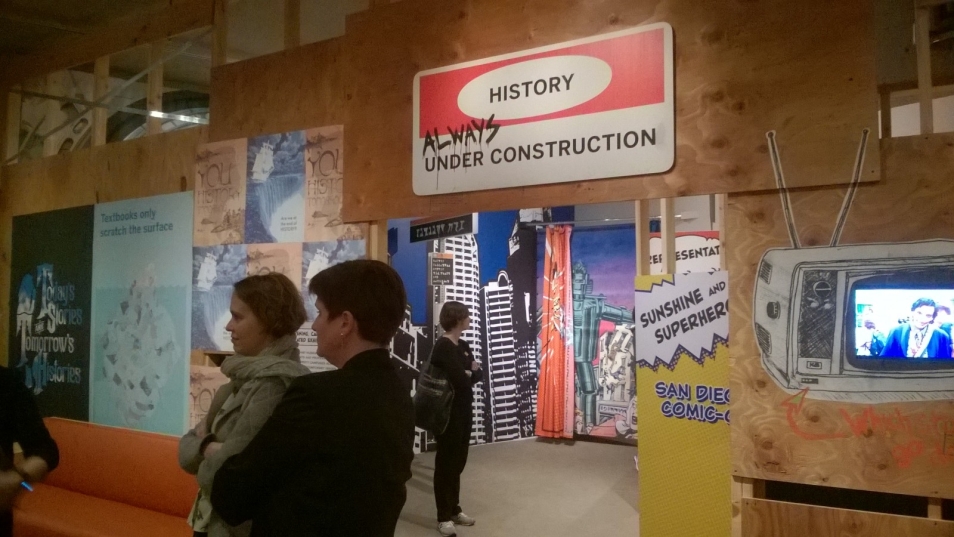
During the first week, the team visited the San Francisco Bay Area. We began our program with a presentation of the educational programs offered by the POLIN Museum to over 50 representatives of Jewish communal and cultural organizations, museums, and academic institutions during a welcome reception at Easton Hall at the Graduate Theological Union, Berkeley. We then visited the Contemporary Jewish Museum, which will soon host our temporary exhibition Letters to Afar.
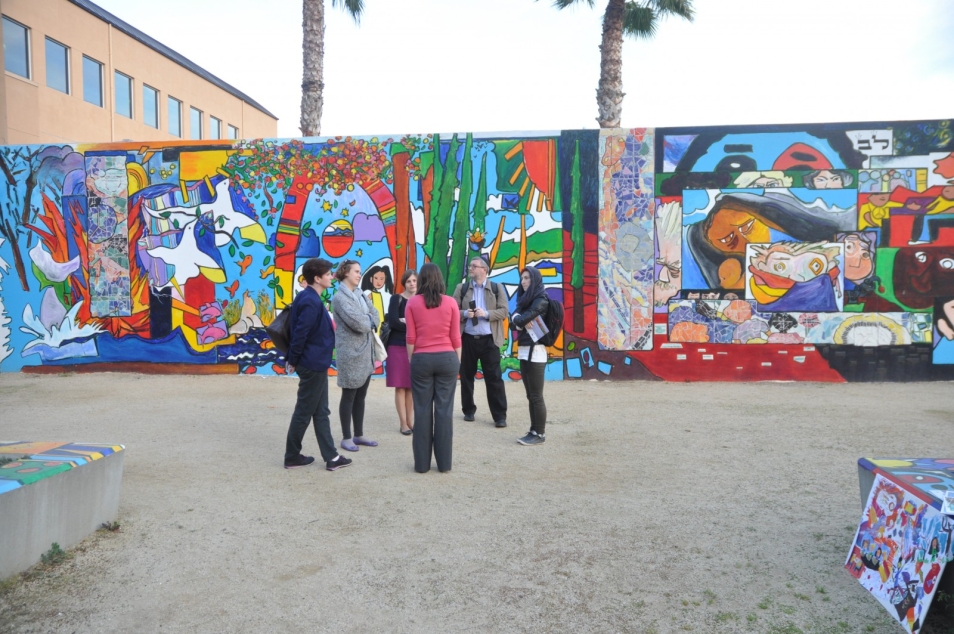
At Stanford University, we participated in the museum seminar taught by Dr. Ari Y. Kelman, Jim Joseph Chair in Jewish Education at Stanford University. At the Peninsula Jewish Community Center, we toured its Community Mural and learned about educational activities that revolve around the mural and the adjacent Justice Garden. At SFMOMA, we discussed educational programs and received insights into strategic planning.
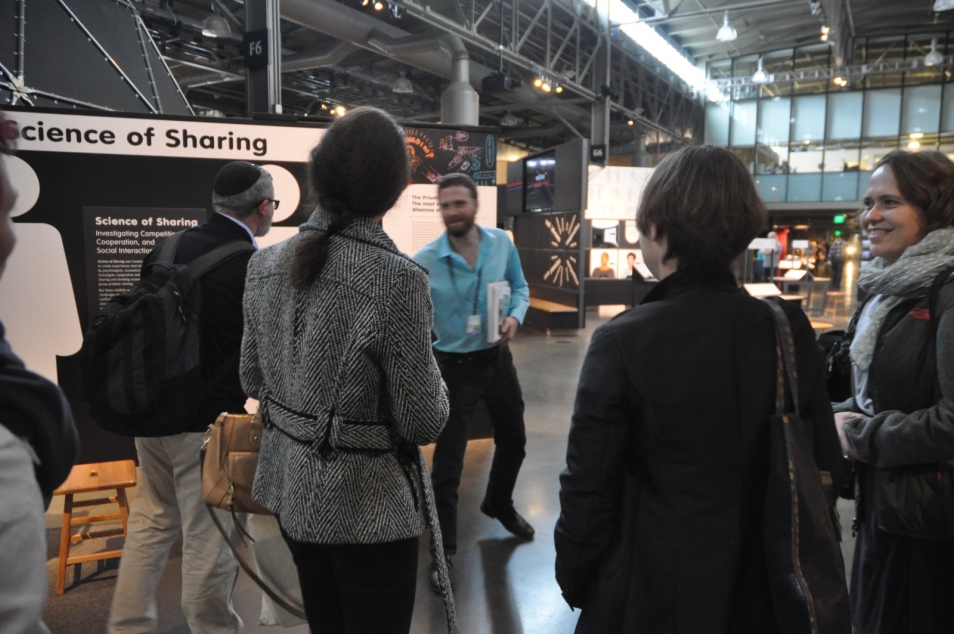
The Oakland Museum of California impressed us with its participatory philosophy. Apart from talking to educators and museum specialists, we had the honor of meeting with donors Tad Taube (POLIN Museum Founding Benefactor) and Phyllis Cook (Jim Joseph Foundation trustee; donor to the 2013 and 2015 editions of Polin Academy Summer Seminar). We also had an exceptional meeting with evaluators from WolfBrown, and visited the Exploratorium, where we discussed innovative methods of evaluation.
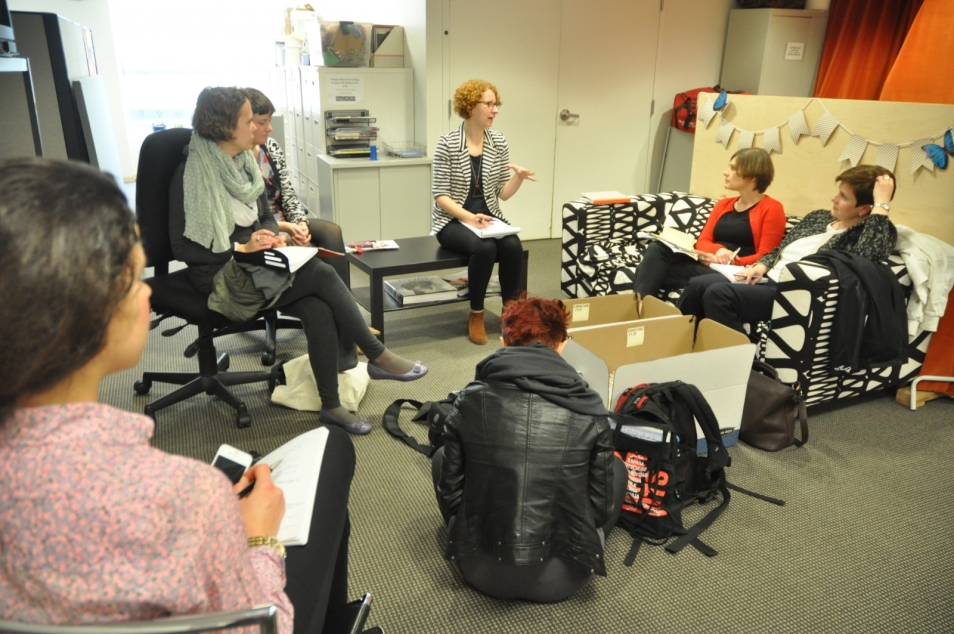
Toward the end of the visit in Bay Area, we led a special meeting at the Magnes Collection of Jewish Art & Life with staff members of Facing History and Ourselves, the Jewish Family & Children's Services Holocaust Center, Lehrhaus Judaica, the JCC of San Francisco, the Jewish Music Festival, the Center for Studies of Holocaust and Religious Minorities in Norway, and the Koret Foundation, to exchange educational methodologies and develop strategies.
Among the discussion topics were how the POLIN Museum should be incorporated into Jewish study tours, how the museum works with Polish students and the Polish educational system, how educational materials are prepared based on the Core Exhibition, how the museum encourages diversity, and how it evaluates the success of its programs.
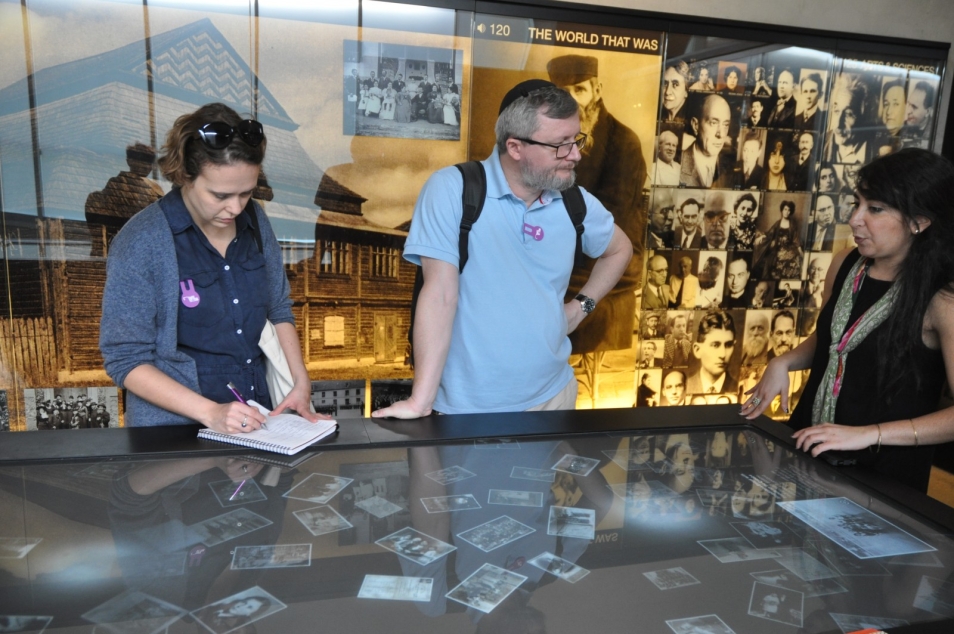
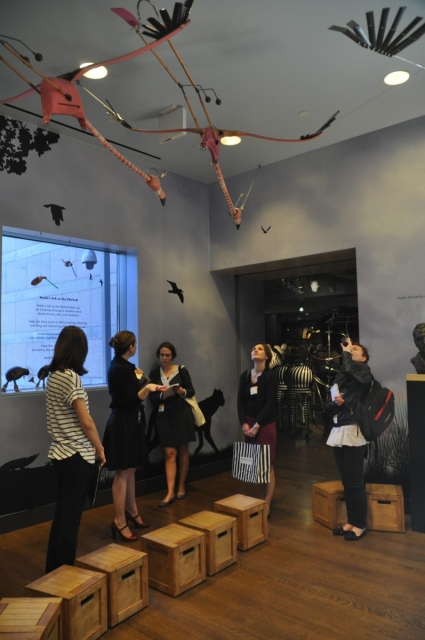
The team spent the second week of the visit in Los Angeles. We visited the Los Angeles Museum of the Holocaust, where we shared our reflections and experiences with regard to Holocaust education and the educational potential of various types of exhibitions; the USC Shoah Foundation, where we gained an in-depth insight into the Foundation’s resources – its collection of video testimonies – as well as its recent educational projects; the Skirball Cultural Center, with the famous Noah’s Ark used for family education; the Museum of Tolerance, with its eye-opening exhibition warning of the consequences of racism; and the Japanese American National Museum, where we toured the exhibition Common Ground, telling the history of Japanese immigration to America, and discussed the challenges faced in educational projects concerning diversity.
The visit was a unique and inspiring experience. We established many valuable contacts that will hopefully lead to joint future projects and initiatives. We will implement what we have learned from the Bay Area and LA museums and educators as we continue the educational mission of the POLIN Museum.
We wish to extend our gratitude to all those who welcomed us with such hospitality and shared their ideas with us. We are extremely grateful to Shana Penn, Executive Director of Taube Philanthropies, for devising the program of the visit and overlooking its execution in the Bay Area, and to Taube staff Vera Hannush for excellent organization and Aleksandra Makuch for her preparation and assistance. We extend our wholehearted thanks to the USC Shoah Foundation for welcoming us in Los Angeles.
The project was made possible thanks to the support of the Association of the Jewish Historical Institute of Poland, the William K. Bowes, jr. Foundation, the Koret Foundation, and the Taube Foundation for Jewish Life & Culture.
 |
 |
Partner:
