Copyrights
fot. Studio Pstro
Copyrights
fot. Dorota Siarkowska
Copyrights
fot. Dorota Siarkowska

Copyrights
fot. Dorota Siarkowska
Copyrights
fot. Karolina Turza
Copyrights
fot. Sebastian Klein
Copyrights
fot. Studio Pstro
Copyrights
fot. Studio Pstro
Copyrights
fot. Studio Pstro
Copyrights
fot. Studio Pstro
Copyrights
fot. Studio Pstro
Copyrights
fot. Studio Pstro
Copyrights
fot. Studio Pstro
Copyrights
fot. Studio Pstro
Copyrights
fot. Studio Pstro
Copyrights
fot. Studio Pstro
Copyrights
fot. Studio Pstro
Copyrights
fot. Studio Pstro
Copyrights
fot. Studio Pstro
Copyrights
fot. Studio Pstro
Copyrights
fot. Studio Pstro
Copyrights
fot. Studio Pstro
Copyrights
fot. Studio Pstro
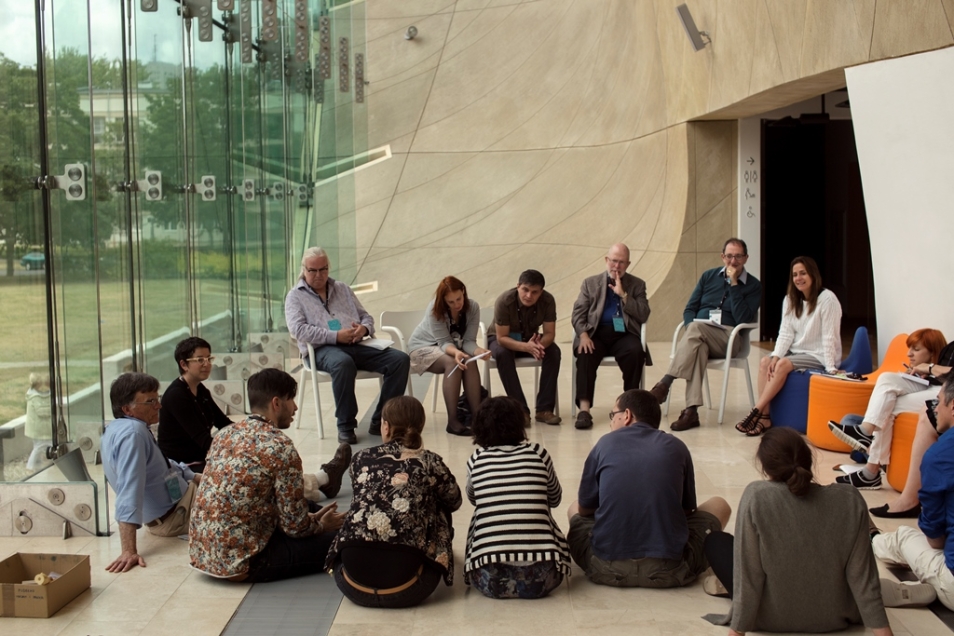
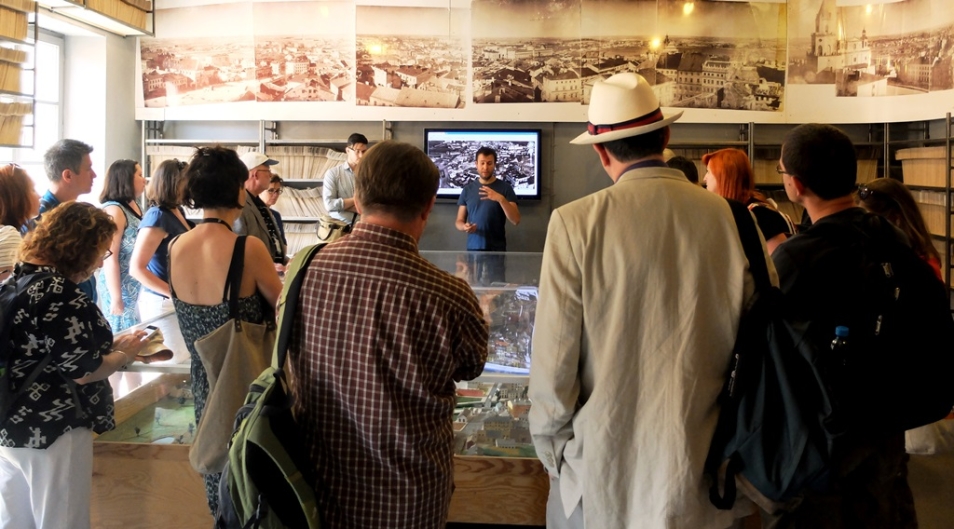
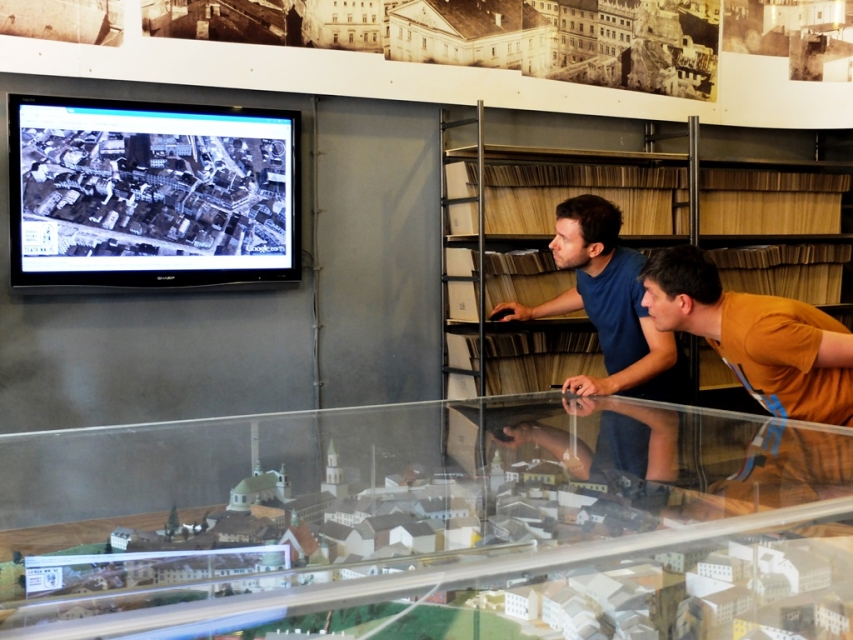
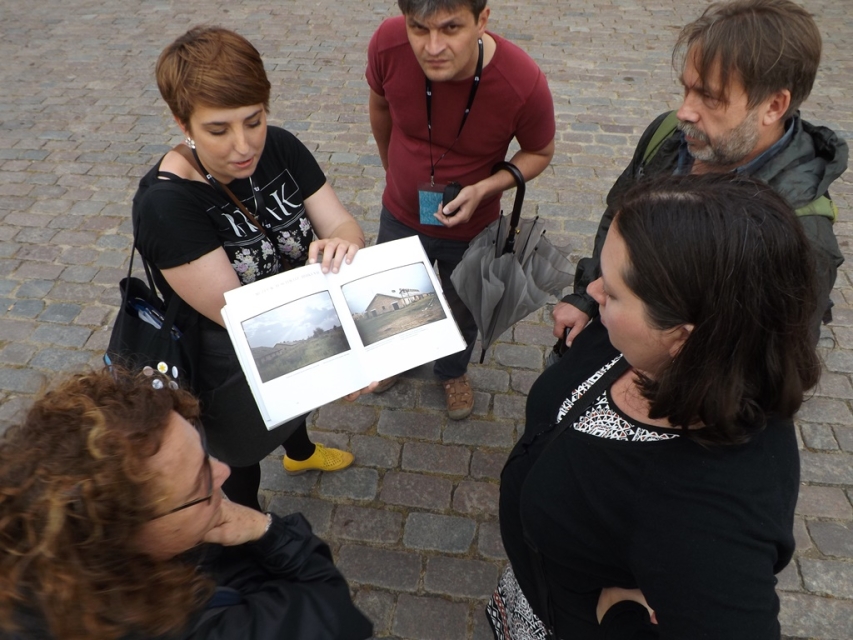
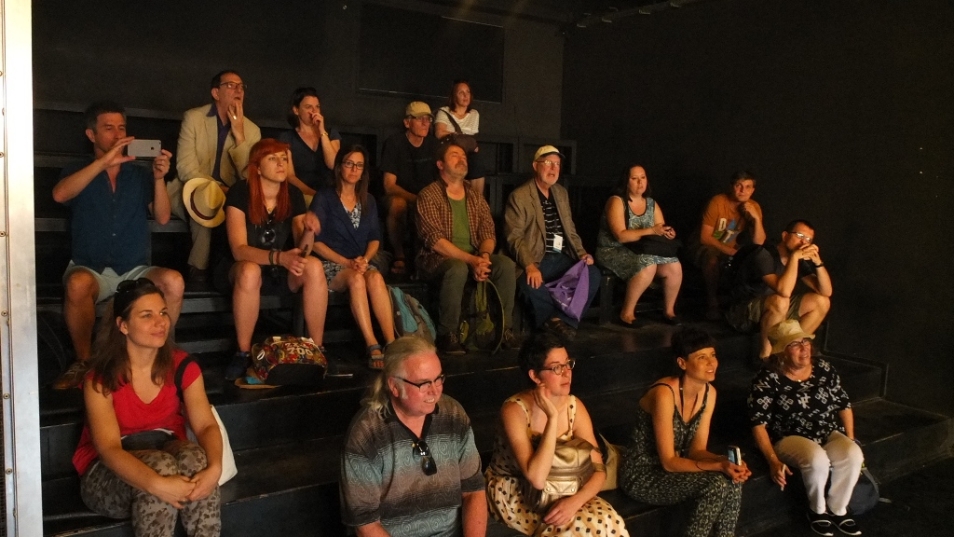
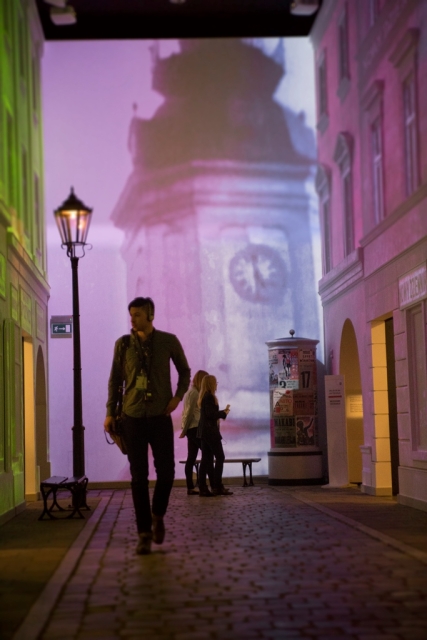
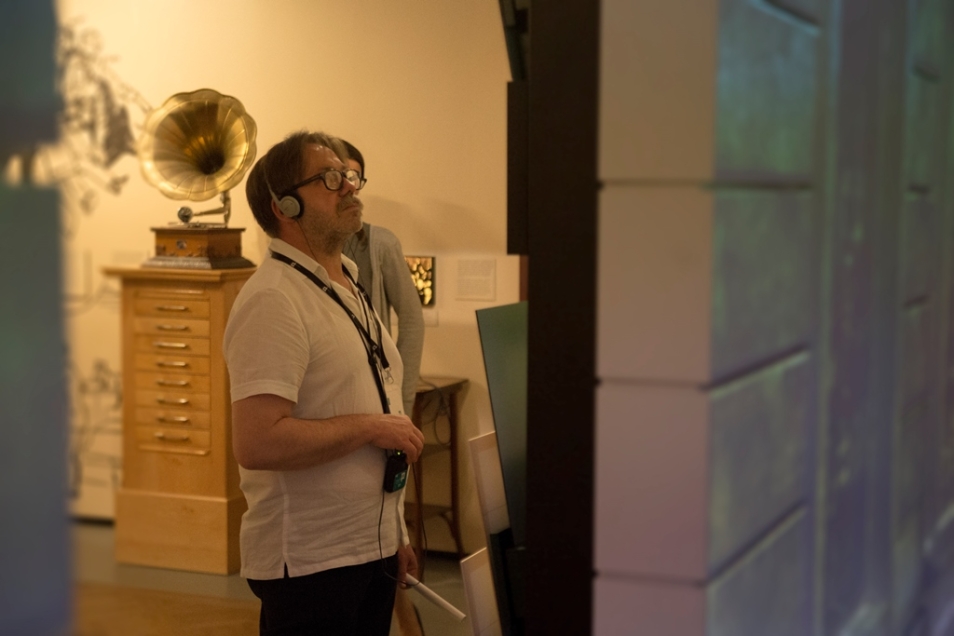
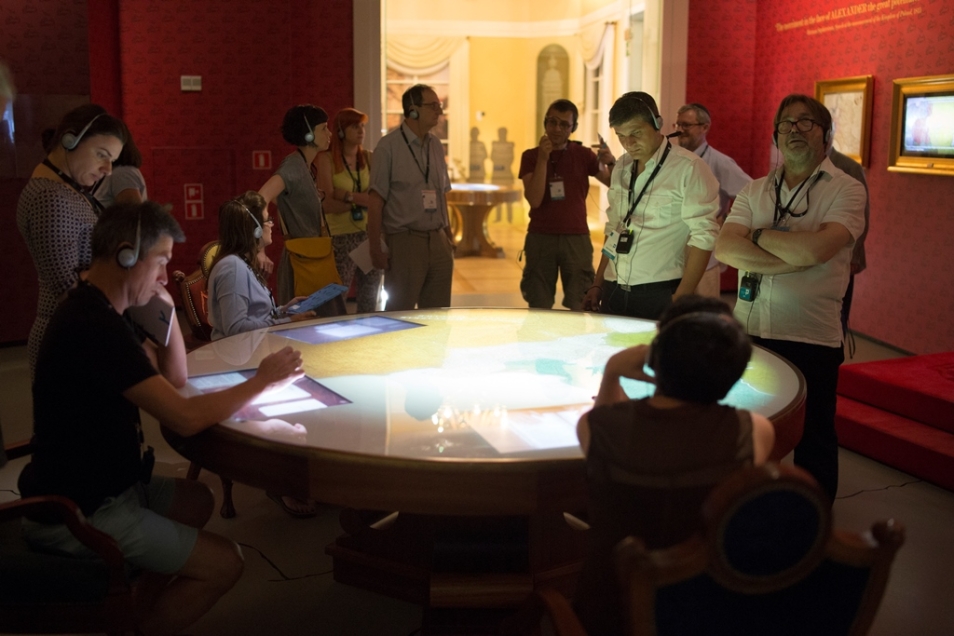
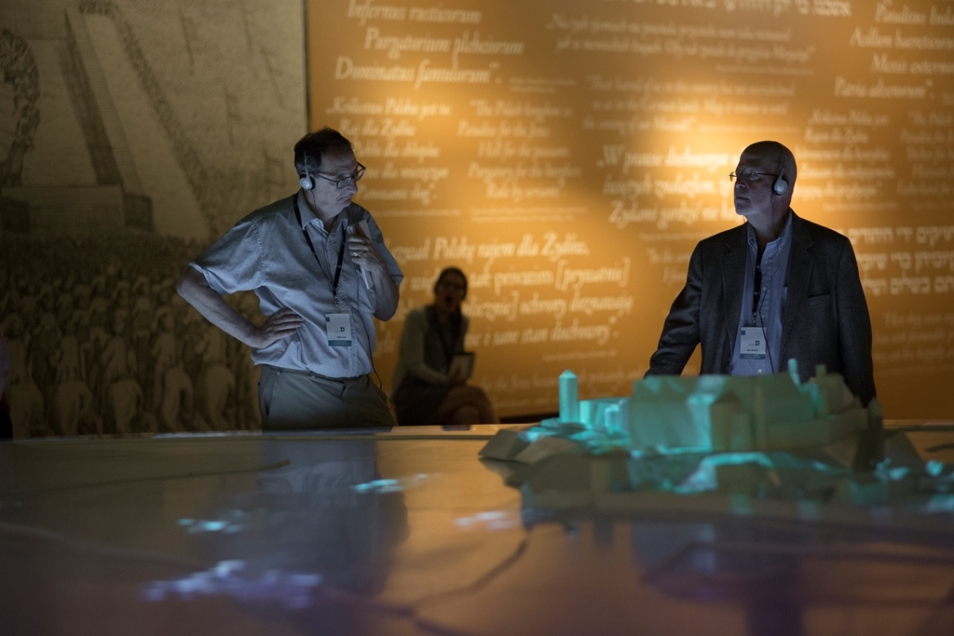
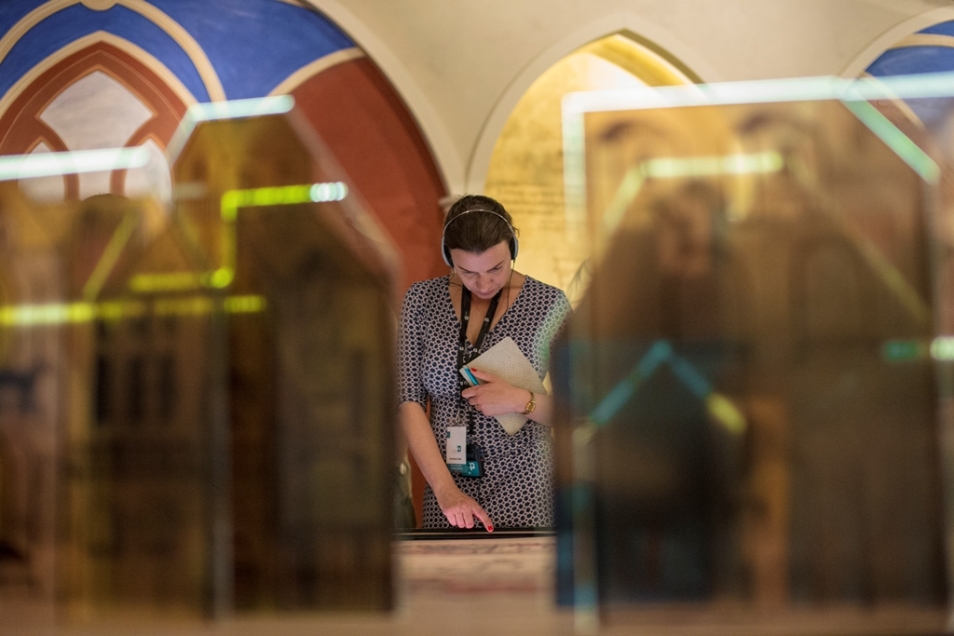
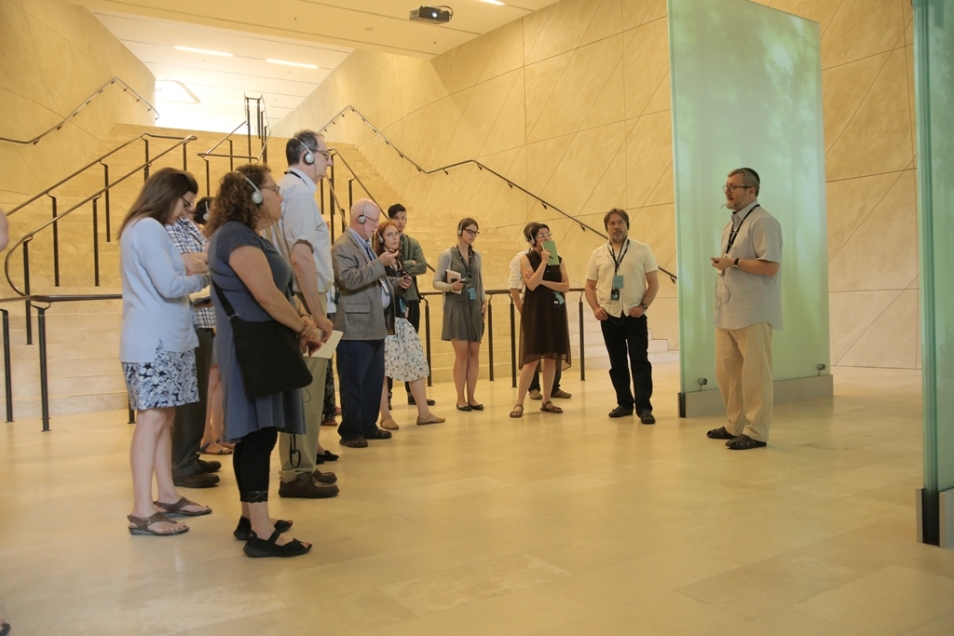
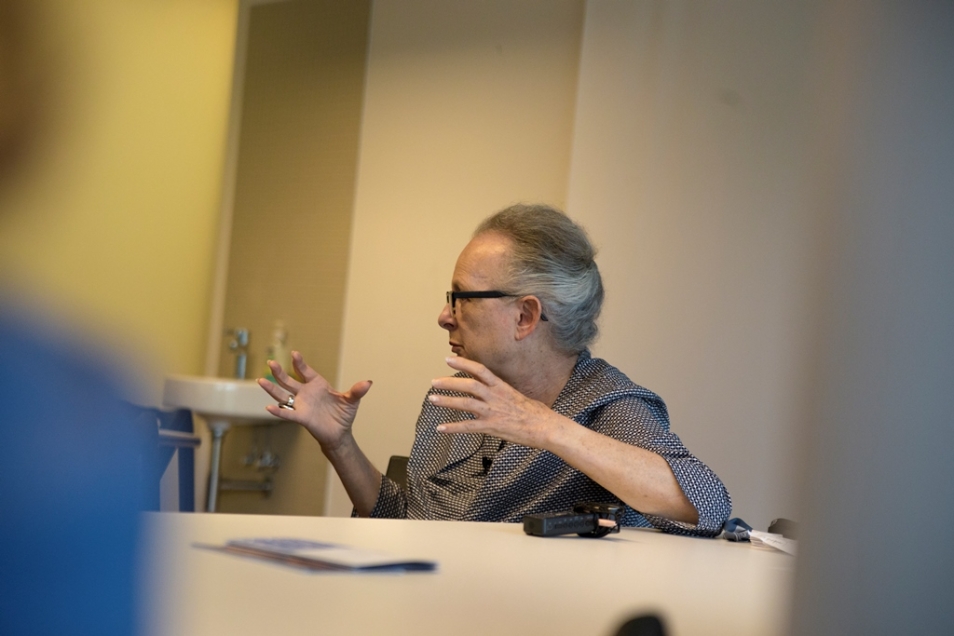
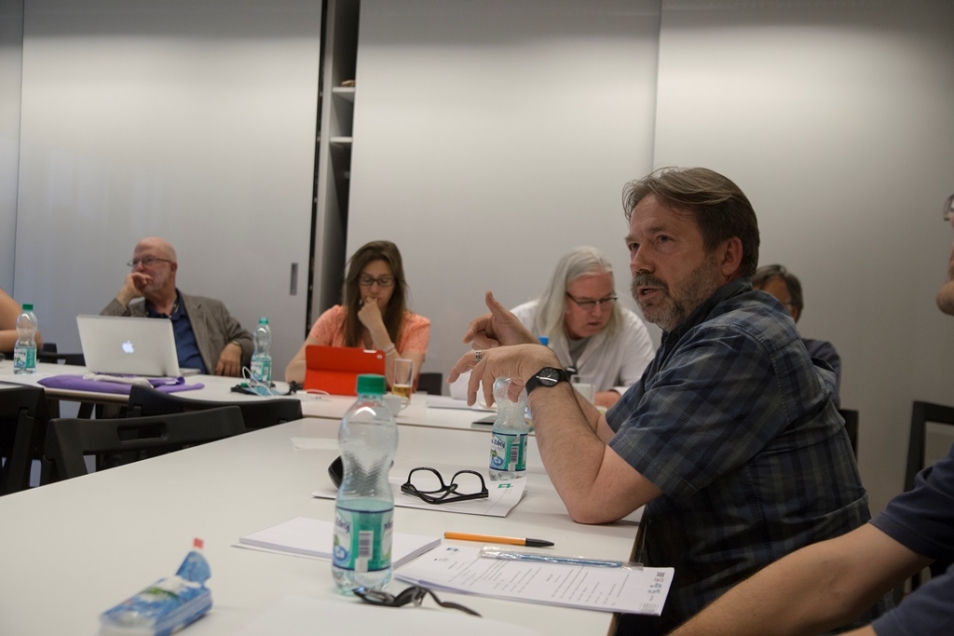
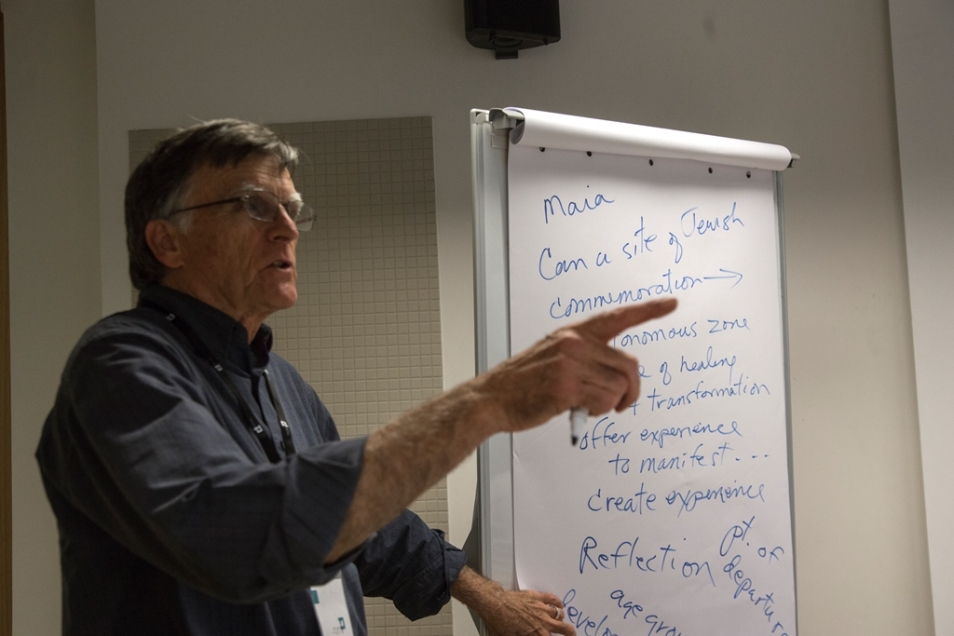
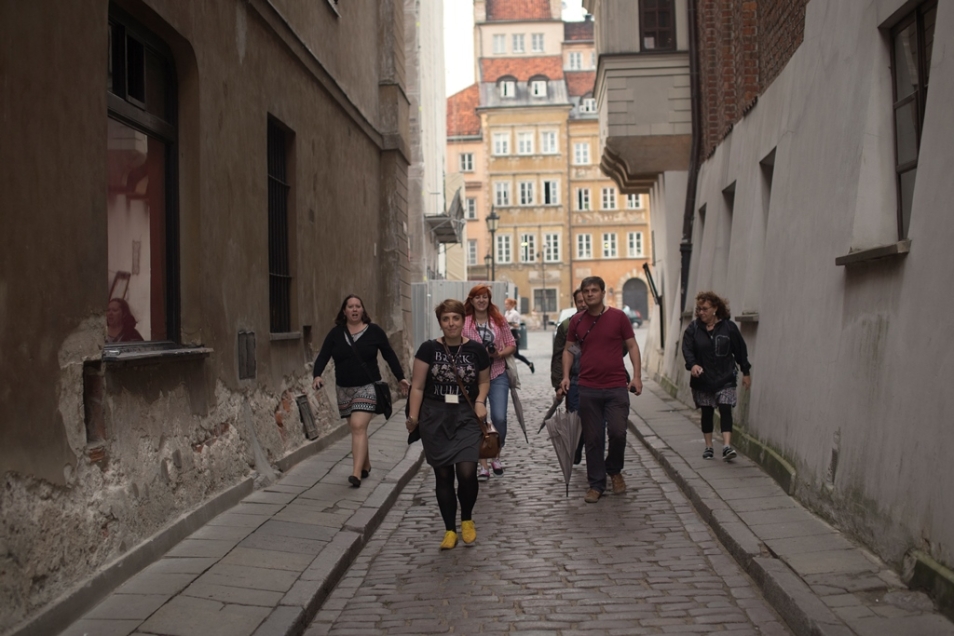
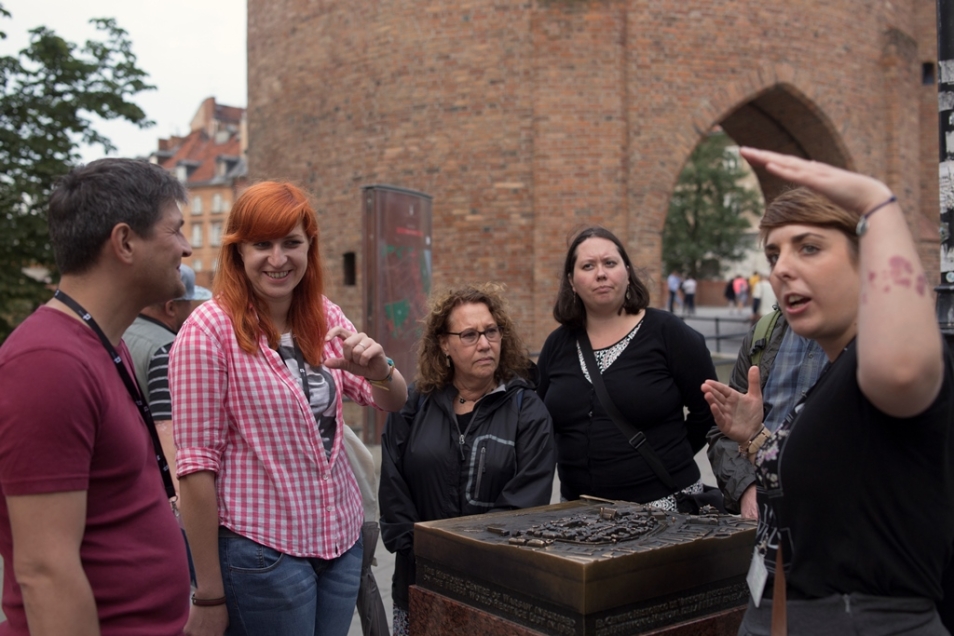
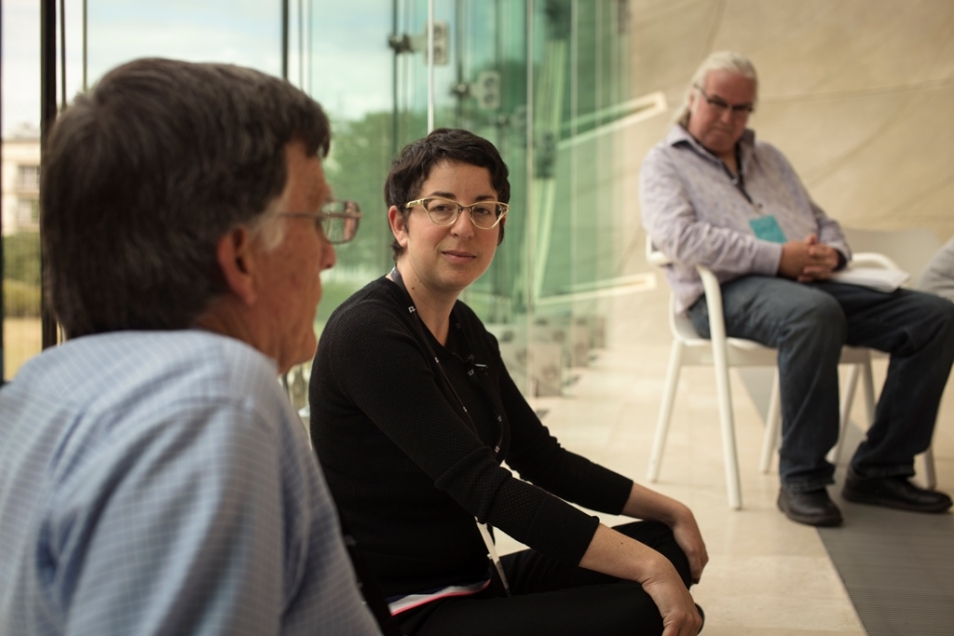
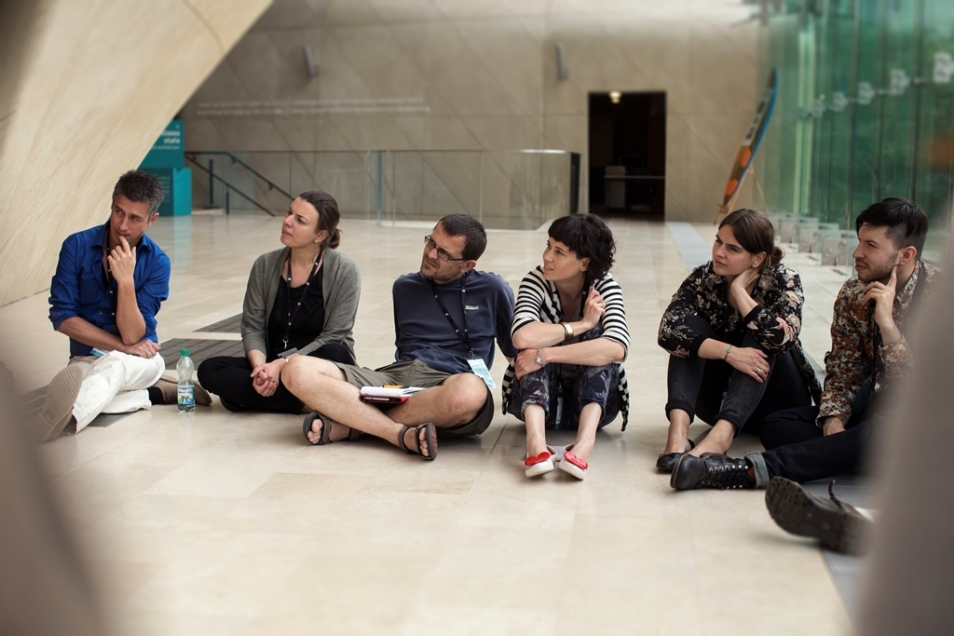
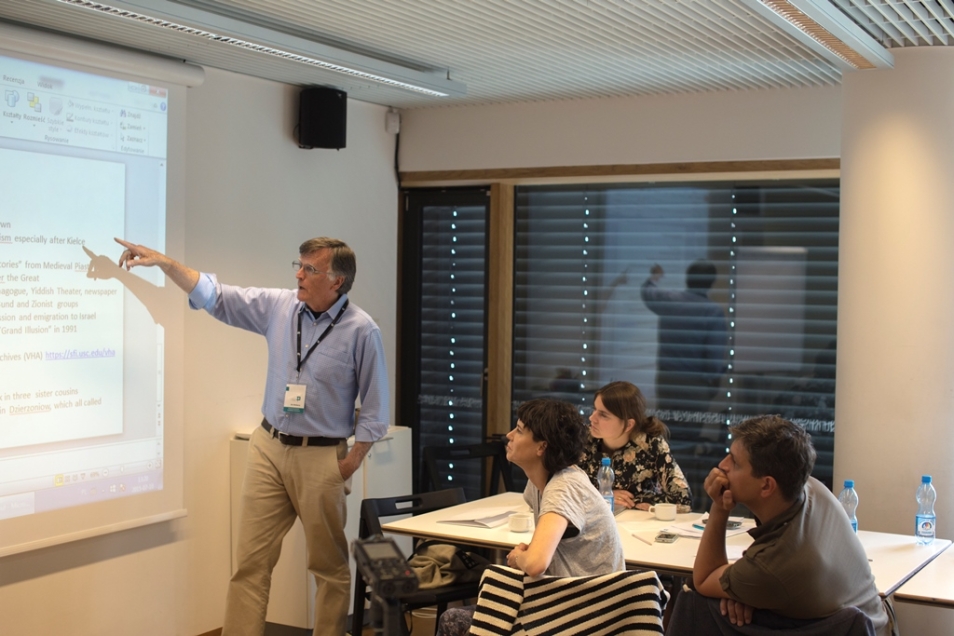
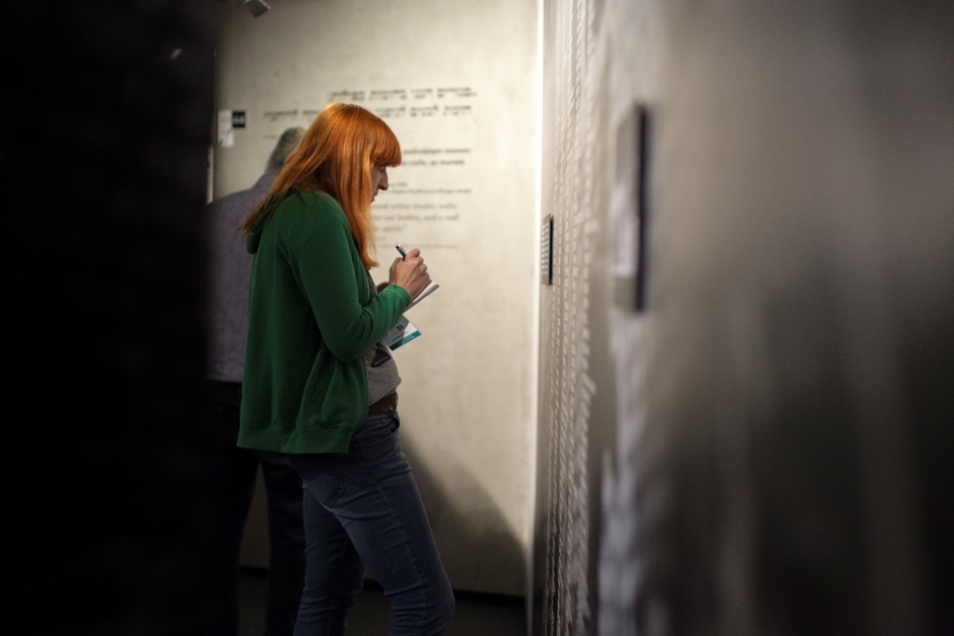
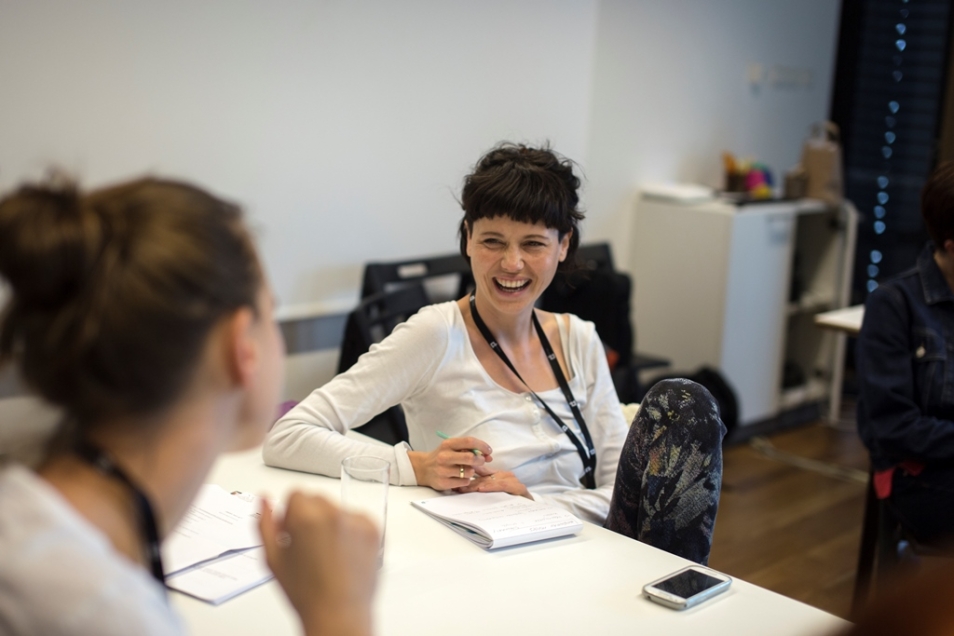
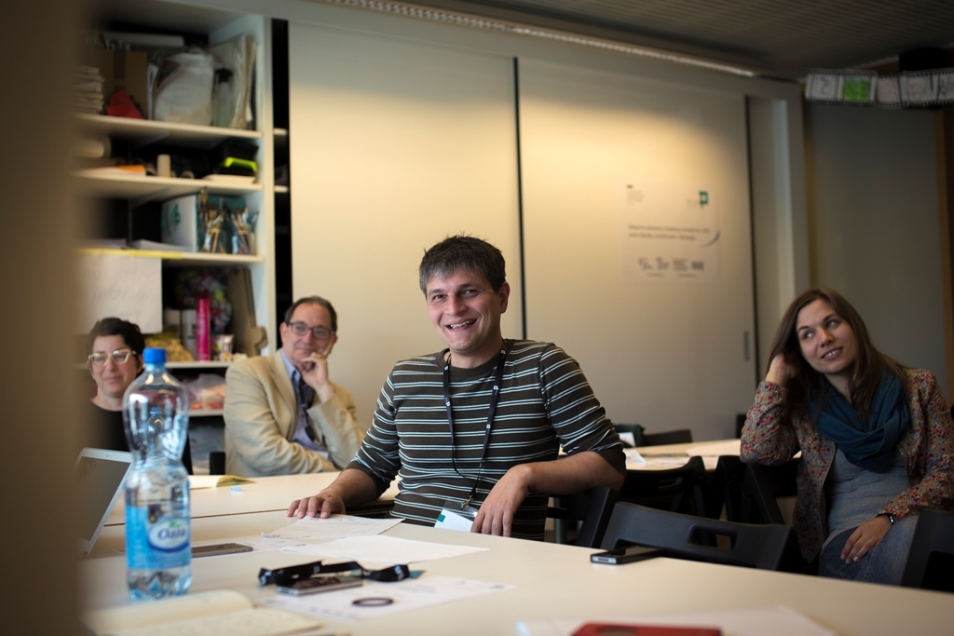
On July 11th the second edition of the Polin Academy Summer School ended. During the one week program a group of 18 educators from Europe and the United States spent time at the POLIN Museum. They participated in workshops, lectures, and tours, to gain in-depth knowledge of the history of Polish Jews, and worked together to develop new visitor strategies for the Core Exhibition and educational projects based on the Museum’s resources.
The theme of the seminar was ‘migrations’. Participants followed stories of migrations presented in the Core Exhibition and discussed their connections to the present. Part of the seminar was dedicated to having the participants plan their own educational projects. They focused on different topics related to Polish-Jewish history – tolerance, post-war resettlements, and Jewish-Christian relations. Part of the group also decided to focus on the visitors’ experience of the exhibition and they prepared an experimental path based on open associations and reflection on the museum’s space.
The PASS seminar was an extraordinary opportunity to learn invaluable history that we need to be better teachers. It was also an amazing experience of international collegiality, a space and time for teachers to meet across borders to build excitement about this crucial area of learning: Polish-Jewish history. Beyond networking, the week helped to create a “band of teacher-learners” who will keep in touch, visit each other and mutually encourage all in our profession about the need to teach this history well and to use the Polin Museum extensively. Polin is a resource that is both rich in its particularity as well as in its universal significance: the story of our humanity is bound up in it and has been made uniquely available through this cogent and dynamic museum and the way its staff brings it to life.
Jim McGarry, Director of the Sr. Dorothy Stang Center for Social Justice and Community Engagement at Notre Dame de Namur University, USA
Project made possible thanks to the support of:
Phyllis Cook
Supported from the Norway and EEA Grants by Iceland, Liechtenstein and Norway

www.eeagrants.org, www.norwaygrants.org
Więcej o projekcie „Żydowskie dziedzictwo kulturowe”